Rising geopolitical tensions in West Asia are beginning to raise concerns within India’s automotive industry, with component manufacturers warning that disruptions in the supply of industrial gases and critical imported raw materials could affect production if the conflict involving Iran and the Israel–United States alliance continues for an extended period.
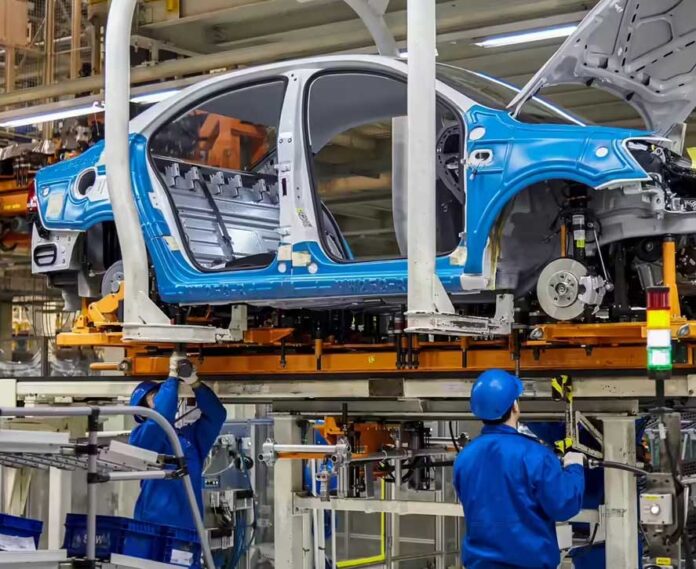
According to Vinnie Mehta, Director General of the Automotive Component Manufacturers Association of India (ACMA), manufacturers are particularly concerned about the availability of industrial gases such as LPG and PNG, which are widely used in automotive manufacturing processes. These gases are essential for operations such as coatings, surface treatments, and various heat-based production activities.
India remains significantly dependent on West Asia for its LPG imports. According to the Ministry of Petroleum and Natural Gas, nearly 60 percent of India’s LPG demand is met through imports, with about 90 percent of those shipments passing through the strategic Strait of Hormuz. Any disruption along this route could therefore have immediate implications for industrial supply chains.
In addition to gas supplies, shipments of several key raw materials have reportedly been delayed due to ongoing supply chain disruptions. These include chemicals, synthetic rubber, aluminium scrap, and petrochemical-based inputs such as polypropylene. Such delays could slow production for both component manufacturers and original equipment manufacturers (OEMs), potentially affecting the automotive value chain on both import and export fronts.
Amid growing concerns, industry bodies including the Society of Indian Automobile Manufacturers (SIAM) and ACMA wrote to the Ministry of Petroleum and Natural Gas on March 9 requesting assurance on the availability of industrial gases for manufacturing operations. Mehta noted that at least one OEM has already raised the issue directly with ACMA, highlighting that both vehicle manufacturers and component suppliers share similar concerns as part of the same value chain.
According to individuals familiar with the matter, the government has constituted a three-member committee after the industry requested the restoration of adequate supplies of LPG, propane, and PNG for manufacturing facilities.
In a letter to the ministry, SIAM requested that the government restore allocations of LPG, PNG, and propane to the maximum possible extent and provide greater visibility regarding supply availability for industrial consumers in the automotive sector. Industry executives say companies may initially rely on existing inventories, but prolonged supply disruptions could create operational challenges once those reserves are exhausted.
India’s automotive industry contributes approximately 2.3 percent to the country’s GDP and directly employs more than 1.5 million people. Any sustained disruption to production could therefore have wider economic implications. Mehta also pointed out that factory operations often support worker welfare facilities, including meals and other services, meaning reduced industrial activity could have broader impacts on employees.
Industry stakeholders have also flagged rising freight costs, longer transit times, and shipment delays as additional challenges affecting the sector. These logistical pressures could impact both production planning and export schedules.
The Gulf region remains a crucial export market for India’s automotive industry. In 2025, the region accounted for roughly 25 percent of India’s $8.8 billion vehicle exports, with major destinations including Saudi Arabia and the United Arab Emirates, along with other Gulf markets.
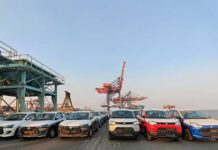
Reports indicate that several Indian OEMs have already delayed shipments to the Middle East and North Africa (MENA) region as disruptions around key maritime routes, including the Strait of Hormuz, have increased freight costs and complicated logistics. If the geopolitical tensions persist, industry observers warn that the combined impact of supply shortages, higher logistics costs, and delayed shipments could place additional pressure on India’s automotive manufacturing and export ecosystem.