
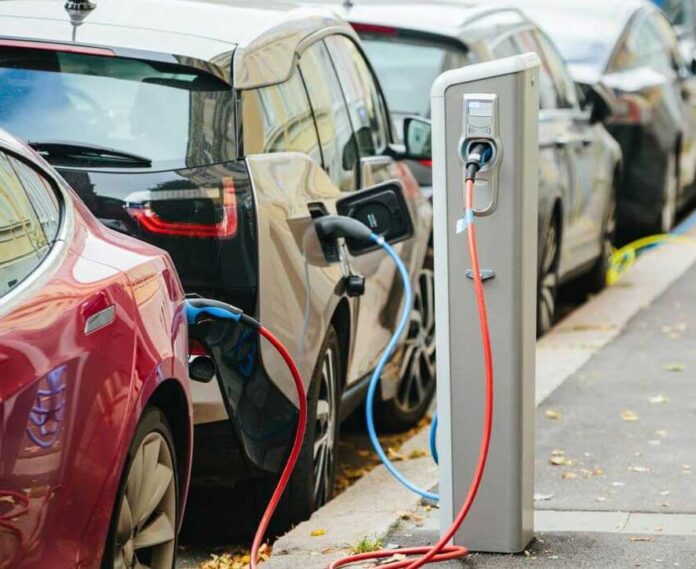
Rising fuel costs triggered by geopolitical tensions in the Middle East are accelerating electric vehicle (EV) adoption across the Asia-Pacific region, as consumers and businesses look for alternatives to petrol and diesel vehicles.
The ongoing US-Israeli conflict involving Iran has significantly disrupted shipments through the Strait of Hormuz, a key global energy corridor that typically carries nearly one-fifth of the world’s crude oil and liquefied natural gas. According to the International Energy Agency, the disruption represents one of the most substantial supply shocks in recent history.
With more than 80 per cent of crude passing through the strait destined for Asia, countries across the Asia-Pacific region are among the hardest hit, prompting governments, businesses and consumers to explore electric mobility solutions to manage rising fuel costs.
Australia Sees Sharp Increase in EV Interest
Australia has witnessed a significant surge in EV demand. According to National Australia Bank (NAB), the country recorded a 100 per cent increase in EV loan applications in March, alongside an 88 per cent rise in EV-related lending enquiries from businesses.
Shane Ditcham, Executive for Business Banking at NAB, noted that businesses are increasingly considering electrification to manage operating costs and hedge against fuel price volatility. Rising energy costs are expected to further accelerate EV adoption across Australia, where long-distance transport heavily depends on fuel-powered vehicles.
Searches for EVs on major automotive websites in Australia have tripled over the past month, while more than half of Australians are now considering purchasing an electric vehicle, according to local reports. Australian Prime Minister Anthony Albanese also highlighted growing consumer confidence in EV ownership.
Japan EV Adoption Gains Momentum
Japan is also experiencing renewed momentum in EV adoption. Analysts note that rising fuel prices, combined with enhanced government subsidies, are encouraging consumers to shift toward electric mobility.
The Japanese government has increased EV subsidies to as much as 1.3 million yen per vehicle starting January 2026. Additionally, Tesla CEO Elon Musk recently announced plans to expand Tesla’s service network and Supercharger infrastructure in Japan.
Despite this, battery electric vehicles currently account for less than 2 per cent of total vehicle sales in Japan, partly due to the country’s strong hybrid vehicle adoption led by domestic automakers. However, analysts expect this trend to change as fuel prices continue to rise.
New Zealand and South Korea Record Rising EV Registrations
New Zealand recorded more than 1,000 EV registrations during the week ending March 22, nearly double the previous week, marking the highest weekly registrations since late 2023.
South Korea also reported a significant jump in EV adoption, with registrations more than doubling in March compared to the previous year. Increased competition from global EV brands, rising fuel prices, and government incentives are driving consumer interest.
Dealerships across South Korea reported increased showroom visits and test drives as consumers consider switching to electric vehicles amid fuel price uncertainty.
Chinese EV Makers Benefit from Regional Demand
The growing EV demand across Asia-Pacific is proving advantageous for Chinese electric vehicle manufacturers expanding into export markets.
In China, electric and hybrid vehicles already account for more than 50 per cent of total vehicle sales. Meanwhile, Chinese automaker BYD reported that overseas sales accounted for 22.7 per cent of total volumes last year, rising to nearly 50 per cent in the first two months of 2026.
BYD’s Malaysian distributor also reported increased enquiries in March, launching targeted campaigns for corporate and government buyers to boost accessibility.
Thailand Motor Show Highlights Growing EV Interest
The Bangkok International Motor Show also saw strong consumer interest in EVs, as fuel shortages and long queues at petrol stations prompted buyers to explore alternatives.
Visitors at the event cited rising fuel costs and ongoing geopolitical tensions as key reasons for considering electric vehicles, reflecting a broader shift in consumer sentiment across the region.
EV Adoption Accelerates Amid Uncertainty
While the duration of the fuel crisis remains uncertain, analysts believe sustained high oil prices could further accelerate EV adoption across the Asia-Pacific region.
With governments increasing subsidies, automakers expanding EV line-ups, and consumers seeking lower operating costs, the current energy crisis may act as a turning point in the region’s transition toward electric mobility.