
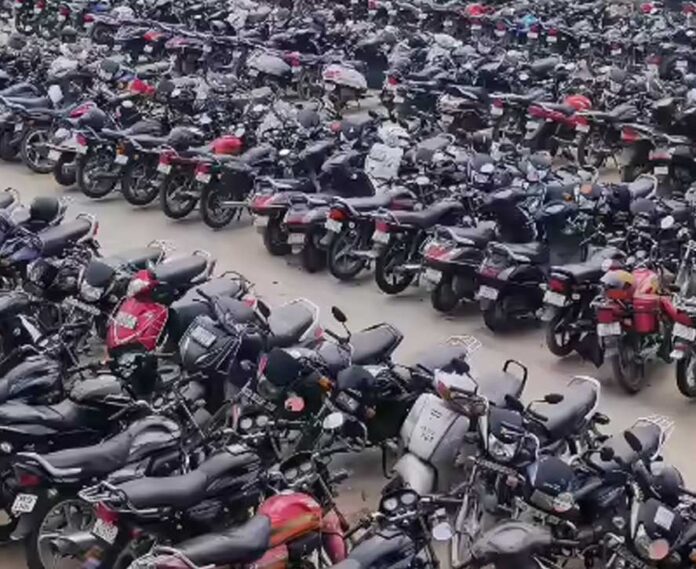
India’s domestic two-wheeler industry posted a strong performance in May 2026, with wholesale volumes rising 15.7 percent year-on-year to 1.9 million units. According to a report by ICRA Limited, the growth was supported by stronger consumer demand following the implementation of GST 2.0 reforms, along with pre-buying activity as customers advanced purchases ahead of anticipated price increases from manufacturers seeking to offset higher input costs.
Retail sales also remained positive during the month, increasing 7.5 percent year-on-year. Stable vehicle affordability, a relatively limited impact of immediate price hikes, and seasonal demand linked to the wedding season contributed to the growth. A broader range of products across entry-level and premium segments further supported sales, although extreme heatwave conditions in some parts of the country affected dealership footfalls.
Despite the encouraging momentum, ICRA expects domestic two-wheeler wholesale growth to moderate to 3–5 percent year-on-year in FY2027. The projected slowdown is largely due to the high base established in the previous fiscal year, coupled with concerns over a weaker monsoon season influenced by El Niño conditions.
The rating agency also highlighted the possibility of further price increases as manufacturers continue to pass rising input costs on to consumers. Nevertheless, long-term industry fundamentals remain favourable, supported by tax rationalisation measures and growing replacement demand.
The electric two-wheeler segment continued to gain momentum, with retail sales surging 71.7 percent year-on-year to 172,148 units in May 2026. This follows a 21.9 percent increase in electric two-wheeler volumes during FY2026. As a result, electric models accounted for 8.9 percent of the overall domestic two-wheeler market during the month.
Exports also remained a bright spot for the industry. Indian two-wheeler shipments to overseas markets increased 31.3 percent year-on-year in May 2026, maintaining double-digit growth despite challenges in several key export destinations. For FY2026 as a whole, exports rose 23.3 percent, driven by expanding product portfolios and growing acceptance of Indian-made brands in international markets.
Looking ahead, ICRA believes domestic demand fundamentals remain resilient. However, geopolitical tensions in West Asia will remain an important factor to watch, as any escalation could disrupt supply chains, impact shipping routes, and affect both import-dependent components and export logistics.