
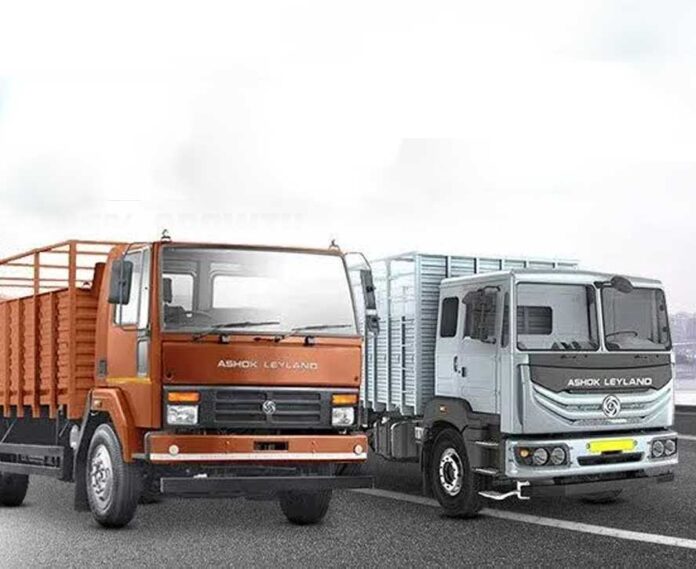
Alternative fuel powertrains, including CNG, LNG, and electric vehicles (EVs), are expected to account for 40% to 45% of India’s commercial vehicle (CV) market by FY2030, up from an estimated 27% in FY2026, according to a report by credit rating agency ICRA. The transition is projected to be more pronounced in the light commercial vehicle (LCV) segment, where alternative fuel penetration is expected to reach 50% to 55%, while medium and heavy commercial vehicles (M&HCVs) are likely to achieve 25% to 30% adoption by FY2030.
ICRA estimates that by FY2030, CNG and LNG-powered commercial vehicles will account for 30% to 35% of the market, while electric vehicles are expected to capture 10% to 15%, with buses leading EV adoption in the M&HCV segment. The report notes that CNG and LNG penetration has already increased significantly—from 7% in FY2021 to 25% in FY2026—while EV and hybrid vehicles together accounted for 2% of the market in FY2026. During the same period, diesel’s share declined from 86% to 67%, driven by tighter emission regulations and the improving total cost of ownership (TCO) of alternative fuel vehicles. Petrol-powered commercial vehicles continued to hold a relatively small share, remaining below 10% and largely confined to the LCV category.
ICRA attributes the growing interest in alternative fuels primarily to improved operating economics. According to Kinjal Shah, Senior Vice President and Co-Group Head at ICRA, although higher upfront costs and limited charging and refuelling infrastructure continue to pose challenges, electric trucks in the 11–12-tonne gross vehicle weight (GVW) category typically offer a 15% to 25% lower total cost of ownership than comparable diesel or CNG models. In the 55-tonne GVW segment, EV trucks deliver a 10% to 15% lower TCO than diesel vehicles, though they remain 15% to 20% more expensive to own than LNG-powered trucks. Shah also highlighted that purchase incentives under the PM E-Drive Scheme have helped reduce acquisition costs and encouraged wider adoption of electric trucks.
To support this transition, domestic commercial vehicle manufacturers are ramping up investments in research and development across multiple propulsion technologies. OEMs are increasingly adopting modular vehicle platforms that enable multiple fuel options while sharing common components, helping improve manufacturing efficiency. At the same time, companies are strengthening local supply chains for key components such as battery management systems, electric motors, fuel tanks, and engine peripherals to reduce costs and improve supply resilience.
ICRA further noted that while overall commercial vehicle industry volumes are expected to grow steadily over the coming years, a larger share of incremental demand will come from alternative fuel vehicles. This shift is likely to require sustained investments in technology, manufacturing, and infrastructure, which could weigh on the profitability and credit profiles of commercial vehicle manufacturers during the transition period.