The Society of Indian Automobile Manufacturers (SIAM) has urged the government to remove the 2.5% Basic Customs Duty (BCD) on aluminium scrap, arguing that the levy is increasing raw-material costs at a time when access to recycled metal is becoming increasingly important and global supplies are tightening.
In a letter to the Finance Ministry dated July 14, 2026, reviewed by Autocar Professional, SIAM highlighted the growing importance of aluminium in the automotive industry’s shift towards lighter, more fuel-efficient and electric vehicles. Aluminium currently accounts for nearly 20% of the material content in four-wheelers and around 15% in two-wheelers, with significant usage in engine blocks and other performance-related components.
The impact extends beyond automakers, as the automotive sector accounts for around 60-65% of India’s secondary aluminium consumption. Secondary aluminium contributes approximately 40% of the country’s overall aluminium supply, equivalent to around 2.2 million tonnes annually.
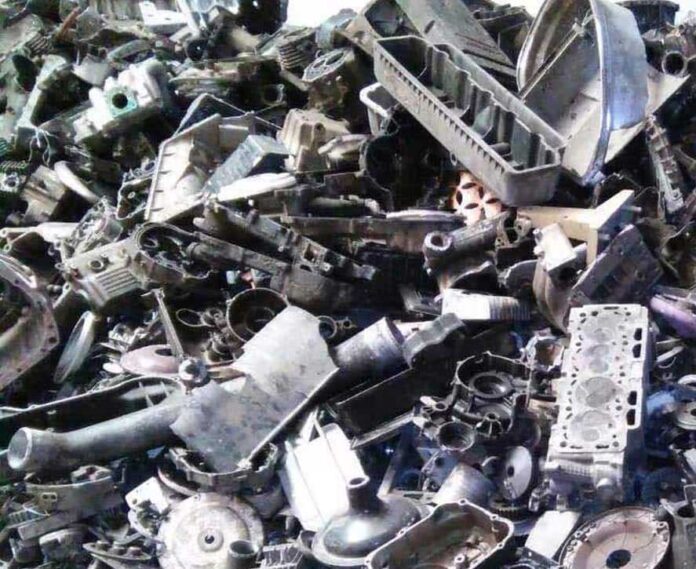
Aluminium scrap serves as a key feedstock for secondary aluminium production, which is used in cast components, engine parts and structural applications. It is also typically 10-20% cheaper than primary aluminium and has a significantly lower carbon footprint, making recycled aluminium increasingly attractive for manufacturers seeking to control costs and reduce emissions.
Supply Pressures
India’s domestic aluminium scrap collection remains fragmented and meets only around 15% of industry requirements, forcing manufacturers to rely heavily on imports.
Supply risks have increased following disruptions linked to the West Asia conflict. Aluminium prices climbed 27% to $3,370 per tonne in the months following the escalation, according to Autocar Professional. The region accounted for roughly 20% of India’s aluminium scrap imports, equivalent to around 4 lakh tonnes, during 2025-26.
The UAE, one of India’s major suppliers, exported around 1.76 lakh tonnes of aluminium scrap to India in FY2025. However, the country has imposed a temporary export restriction on steel, copper and aluminium scrap from June 10 to October 8, 2026, as part of measures to retain recyclable materials within the domestic market.
European supplies are also facing uncertainty. The EU’s revised Waste Shipments Regulation, which came into force on May 20, 2024, places restrictions on exports of non-hazardous waste to non-OECD countries without specific authorisation. The regulations also include additional measures affecting aluminium scrap exports.
India imported around 3.66 lakh tonnes of aluminium scrap from the EU in 2025, accounting for nearly a quarter of its total supply. India has applied for continued access, while the EU’s first list of authorised recipient countries is expected by November 21, 2026.
Impact of the 2.5% Duty
SIAM argues that the 2.5% import duty directly increases the landed cost of aluminium scrap, with MSME component manufacturers likely to face the greatest impact because they form a significant part of India’s automotive supply chain.
The higher input costs can eventually translate into more expensive components and vehicles, affecting the competitiveness of Indian manufacturers in both domestic and international markets. SIAM has also pointed out that ASEAN countries, Japan and South Korea allow duty-free imports of aluminium scrap.
The industry body has highlighted what it considers an inverted duty structure. While semi-finished aluminium products from ASEAN countries can enter India duty-free under free-trade agreements, the raw material required to manufacture similar products domestically continues to attract a 2.5% duty. SIAM argues that this undermines the government’s Make in India ambitions by making imported semi-finished products more competitive than locally manufactured alternatives.
Recycling Could Support Decarbonisation
SIAM’s request is also linked to the automotive industry’s decarbonisation efforts. Recycling aluminium requires around 95% less energy than producing primary aluminium, saving approximately 14,000 kWh per tonne. It can also reduce carbon emissions by around 90%, according to SIAM.
With automakers facing increasing pressure to reduce emissions and meet India’s climate targets, greater use of recycled aluminium could become an important part of the industry’s sustainability strategy.
However, the broader aluminium industry remains divided over the proposal. While some stakeholders support removing the duty to reduce costs and improve access to scrap, others are seeking stronger quality standards and safeguards against the entry of low-grade material.
The Mines Ministry has already recommended removing the 2.5% BCD on aluminium scrap. The final decision now rests with the Finance Ministry.