
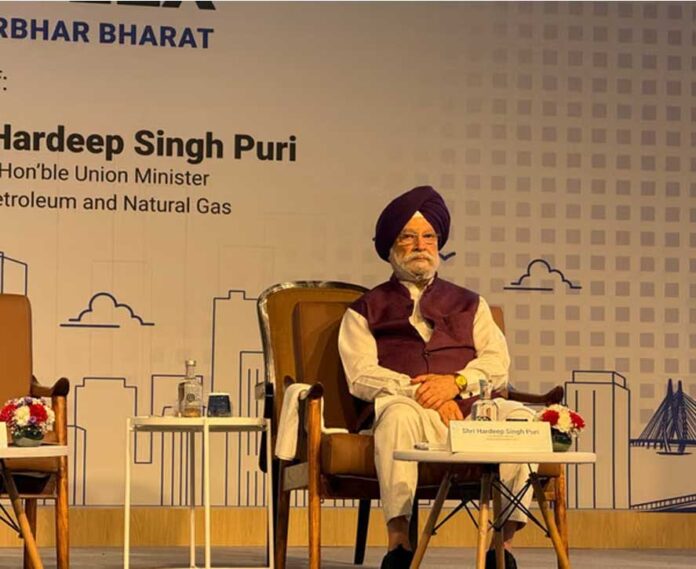
India is set to significantly expand its flex-fuel infrastructure, with plans to establish 500 flex-fuel retail outlets by the end of 2026 and scale up to nearly 5,000 pumps across major cities by the close of 2027, according to Union Minister for Petroleum and Natural Gas Shri Hardeep Singh Puri. The announcement comes as the government intensifies efforts to promote ethanol-based mobility and reduce the country’s dependence on imported fossil fuels.
Speaking at the launch of Maruti Suzuki’s Wagon R Flex Fuel, India’s first flex-fuel passenger vehicle, Puri said the increasing participation of leading automobile manufacturers is expected to accelerate demand for higher ethanol blends and strengthen the nation’s clean energy transition. The initial rollout will see more than 50 to 100 flex-fuel dispensing stations established across key markets such as Delhi-NCR, Mumbai, Pune and Ahmedabad, before expanding nationwide.
The development follows the recent entry of Hero MotoCorp into the flex-fuel segment with ethanol-compatible versions of its Splendor and HF Deluxe motorcycles. With both India’s largest passenger vehicle manufacturer and leading two-wheeler maker embracing flex-fuel technology, the government believes the ecosystem is reaching a crucial inflection point.
Having already achieved 20% ethanol blending in petrol ahead of schedule, India is now focused on creating additional demand through flex-fuel vehicles capable of operating on higher ethanol blends such as E85. According to government estimates, if flex-fuel technology is adopted in half of all new two-wheeler and passenger vehicle sales, it could generate demand for more than 300 crore litres of additional ethanol, while boosting farmer incomes, reducing crude oil imports and lowering carbon emissions.
The infrastructure expansion also complements the government’s push for E85 fuel, which is expected to be priced significantly lower than conventional petrol to encourage consumer adoption. Puri noted that while fuel infrastructure had previously outpaced vehicle availability, the launch of new flex-fuel models is helping bring supply and demand into balance. Describing the initiative as the beginning of a new chapter in India’s energy transition, he said the growing flex-fuel ecosystem would support cleaner mobility, greater energy security and enhanced opportunities for the agricultural sector.