Highway travel in India could soon become significantly faster and smoother, as the government plans to replace physical toll plazas with a fully automated distance-based toll collection system by the end of 2026.
Union Minister for Road Transport and Highways Nitin Gadkari announced that the upcoming model will eliminate the need for vehicles to stop at toll booths, enabling seamless travel through automatic toll deduction based on the distance travelled. Speaking at the Times Drive Auto Summit & Awards 2026, Gadkari said the system will use number plate recognition technology integrated with FASTag-linked payments. According to him, the technology has already been introduced at 85 toll locations across the country.
“Drive at 80 kmph without stopping. We will capture your number plate and FASTag details, and the toll amount will be automatically deducted from your bank account based on kilometres travelled,” Gadkari said during the event.
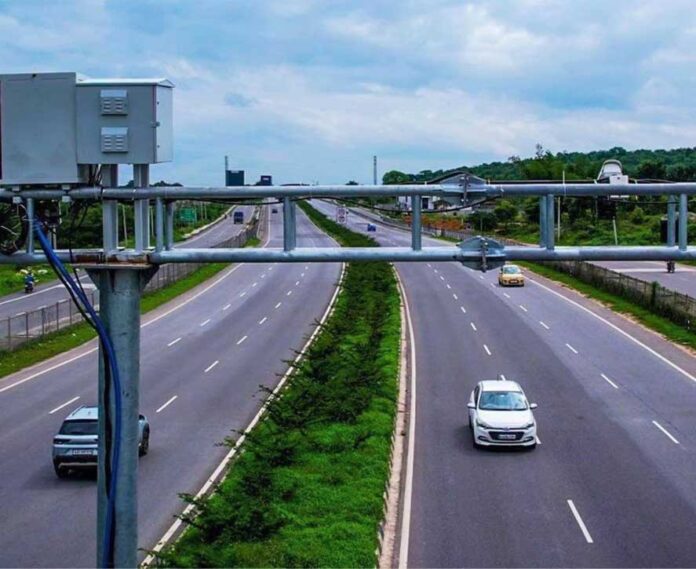
The proposed system is based on Multi-Lane Free Flow (MLFF) tolling technology. Under this model, traditional toll booths and barriers will be replaced by overhead gantries equipped with high-resolution cameras, sensors, and FASTag scanners. As vehicles move through these points, the system will automatically identify the vehicle and deduct the applicable toll digitally without requiring drivers to stop or slow down.
The government believes the barrier-free tolling system will help reduce congestion on highways, improve travel speeds, lower fuel consumption, and minimise delays caused by long queues at toll plazas.
Gadkari also indicated that the new tolling mechanism could significantly reduce costs for many commuters. He noted that toll charges on some stretches, which currently range between ₹125 and ₹150, may reduce to nearly ₹15 under the distance-based model.
Despite the nationwide FASTag rollout, traffic congestion at toll plazas remains a major issue, especially on busy expressways and freight corridors. Officials believe conventional toll booths are no longer suitable for modern high-speed highways carrying heavy traffic volumes.
Under the new system, FASTag will continue to remain an important component. Vehicles with inactive FASTags, insufficient balance, or unreadable details may receive digital notices requesting pending payments. The government has also stated that unpaid MLFF toll dues could attract double penalties if not cleared within 72 hours.
If implemented successfully across the country, the new system could transform long-distance road travel in India by enabling uninterrupted highway movement, reducing travel time, and improving logistics efficiency for commercial transport operators.
Alongside toll reforms, Gadkari said the government is continuing work on several major highway corridors connecting Delhi with Jaipur, Dehradun, Amritsar, Katra, Srinagar, Chennai, and Bengaluru as part of its broader infrastructure expansion strategy.