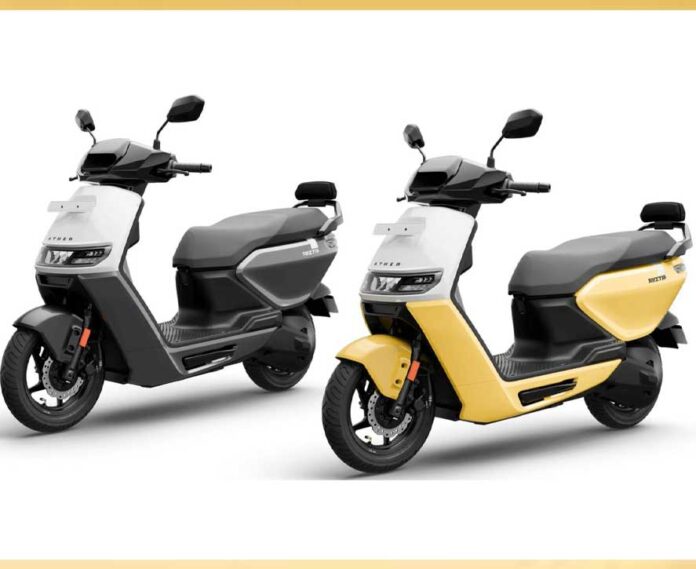
The government has extended demand incentives for electric two-wheelers under the PM E-Drive scheme until March 31, 2028, while increasing the allocation for the segment by Rs 1,000 crore. The move is expected to provide additional support to electric two-wheeler manufacturers and buyers as EV adoption continues to rise in India.
According to a notification issued by the Ministry of Heavy Industries, the allocation for electric two-wheelers has been increased to Rs 2,767 crore, up from the earlier Rs 1,772 crore. The government has also raised the maximum number of electric two-wheelers eligible for incentives to 45,79,120 units.
The extension is significant for the electric two-wheeler industry, as the segment’s previous subsidy window was scheduled to end on July 31, 2026.
PM E-Drive Subsidy for Electric Two-Wheelers: How Much Do Buyers Get?
Under the revised PM E-Drive scheme, electric two-wheelers registered between April 1, 2025, and March 31, 2028, will continue to receive an incentive of Rs 2,500 per kWh of battery capacity.
However, the subsidy is capped at Rs 5,000 per vehicle. The maximum ex-factory price of an electric two-wheeler eligible for the incentive remains Rs 1.5 lakh.
The actual incentive will be limited to the lower of the specified subsidy amount or 15% of the vehicle’s ex-factory price.
The incentive was considerably higher during FY2024-25, when buyers were eligible for Rs 5,000 per kWh, subject to a maximum of Rs 10,000 per vehicle. The government reduced the subsidy from April 1, 2025, as part of its gradual move towards reducing direct support for electric vehicle purchases.
PM E-Drive Scheme Outlay Increased to Rs 11,900 Crore
The latest amendment also raises the overall outlay of the PM E-Drive scheme to Rs 11,900 crore.
The scheme covers the period from April 1, 2024, to March 31, 2028, with the objective of accelerating electric vehicle adoption, developing charging infrastructure and strengthening India’s electric vehicle manufacturing ecosystem.
The scheme was initially launched in October 2024 with an outlay of Rs 10,900 crore and was originally designed as a two-year programme ending March 31, 2026. Its overall tenure was subsequently extended, while individual vehicle categories continued to have separate incentive timelines.
With the latest amendment, electric two-wheelers will once again remain eligible for incentives until the end of the PM E-Drive scheme in March 2028.
The government has set December 31, 2027, as the final date for submitting claims to the Ministry of Heavy Industries or the implementing agency. No payments will be made after March 31, 2028.
PM E-Drive Remains Subject to Fund Availability
Despite the extension, the PM E-Drive scheme remains fund-limited.
The government has clarified that total payouts will be restricted to the overall scheme outlay of Rs 11,900 crore. If the funds allocated to the scheme or any individual component are exhausted before March 31, 2028, that component can be closed and no further claims will be accepted.
This means the extended subsidy period does not necessarily guarantee incentives for every eligible vehicle until March 2028 if the allocated funds are exhausted earlier.
Electric Two-Wheeler Sales Continue to Rise
The extension comes at a time when India’s electric two-wheeler market is witnessing strong growth.
According to Vahan data, electric two-wheeler sales increased from 252,787 units in FY2022 to around 1.46 million units in FY2026. The sharp increase highlights the growing adoption of electric scooters and motorcycles across the country.
The continuation of the PM E-Drive incentive could provide additional momentum to the segment, particularly for buyers considering electric two-wheelers priced within the scheme’s eligibility limits.
What Else Does the PM E-Drive Scheme Cover?
The PM E-Drive scheme covers multiple electric vehicle categories, including electric two-wheelers, three-wheelers, buses and trucks, along with electric and hybrid ambulances. It also provides support for the development of charging infrastructure.
For electric three-wheelers in the L5 category, the subsidy had already been discontinued after the segment reached its targeted sales volume in December 2025.
With electric two-wheelers now eligible for incentives until March 2028, the latest amendment provides manufacturers and consumers with a longer and more predictable subsidy window as India’s EV market continues to expand.