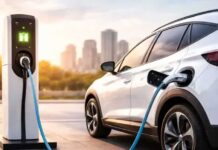
India’s electric mobility sector is witnessing rapid growth, with EV sales reaching an all-time high of 3,27,901 units in July 2026, marking a 66% year-on-year increase. According to FADA, nearly one in eight vehicles sold during the month was electric.
With more than 24.5 lakh EVs sold in FY2026 and the number of public charging stations crossing 27,000 nationwide, India’s transition to electric mobility is gaining momentum, supported by rising consumer demand and government policies.
On World EV Day, industry leaders and the India Energy Storage Alliance (IESA) called for stronger policy support, particularly through expanded battery incentives, smart-grid infrastructure and last-mile mobility initiatives. They emphasised that these measures will be critical to sustaining EV adoption and developing a resilient, scalable and future-ready electric mobility ecosystem.
Vinayak Walimbe, Managing Director, India Energy Storage Alliance (IESA), said,“As India’s EV ecosystem evolves, we have a tremendous opportunity to build a self-reliant and globally competitive battery supply chain. The proposed incentive scheme for domestic battery components is a visionary step towards nurturing upstream capabilities like cathode, anode, and separator manufacturing. The government must accelerate this momentum by supporting R&D collaboration, strategic mineral development, and workforce skill-building.”
While battery manufacturing incentives are vital, sector experts underline that success will ultimately depend on building a smart, future-ready grid capable of supporting mass electrification. Seamless integration of advanced batteries will require significant upgrades to India’s digital energy infrastructure.
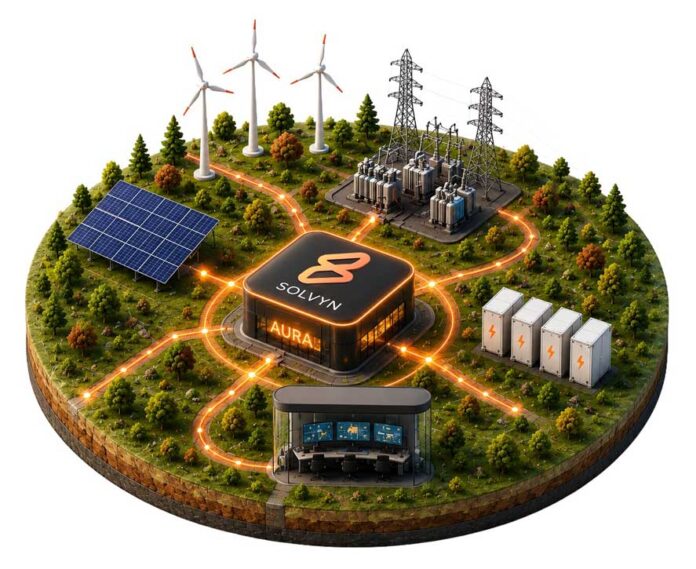
Kumar M, Founder & CEO, Smart Grid Analytics, said, “As India accelerates its energy transition, it’s vital that our grid evolves alongside our ambitions, especially as electric vehicles become central to our decarbonisation strategy. The next frontier is not just renewable power generation, but a digital, AI-driven grid that can seamlessly integrate solar, wind, storage, and EVs at scale. We urge the government to prioritise investments in digital infrastructure, automation, and real-time intelligence to ensure grid stability and unlock commercial returns. With the right focus, India can leapfrog legacy challenges and build a resilient, data-driven grid that empowers consumers and sets a new global benchmark for the energy transition.”
India’s EV surge is also being propelled by grassroots innovation and entrepreneurial drive in the last-mile and fleet segments. Last-mile delivery operators, logistics startups, and fleet entrepreneurs are now central to mainstreaming electric mobility across Indian cities.
Sandeep Mukherjee, CEO, BLive, said, “To truly accelerate EV adoption in India, we must recognise that the real change-makers are our riders and fleet operators driving last-mile delivery across cities. Their shift to electric is transforming urban transport, lowering emissions, and making mobility smarter and more sustainable. We call on the government to push policies that empower these entrepreneurs and promote innovative ownership and fleet models. By supporting those at the frontlines, we can drive inclusive, scalable growth and electrify India’s mobility future.”
With EV adoption rising, the industry is also turning its attention to battery material security and the need for a robust circular economy. Leaders are pressing for policy action to scale up recycling and resource management, ensuring self-reliance in critical minerals.
Akhilesh Bagaria, Co-Founder, NavPrakriti, said, “As India’s demand for lithium-ion batteries skyrockets with the growth of electric vehicles and renewable energy, closing the loop on battery materials is essential to safeguard our critical mineral supply. Recycling and refurbishing end-of-life batteries must become central pillars of India’s e-mobility strategy, reducing dependence on imports and minimising environmental impact. Our recommendation to the government is to strengthen policies and incentives for battery recycling and second-life applications, ensuring that every spent battery becomes a resource for new growth.”
Industry veterans from regulatory bodies, intelligent grids, battery storage, battery supply chains, and fleet innovation on World EV Day have highlighted the urgency for India to move from momentum to acceleration on its electric mobility journey. With affordability unlocking mass adoption and record sales setting new benchmarks, industry leaders are pushing for coordinated government action across smart grids, battery supply chains, and fleet innovation to secure India’s leadership in the global EV transition.