
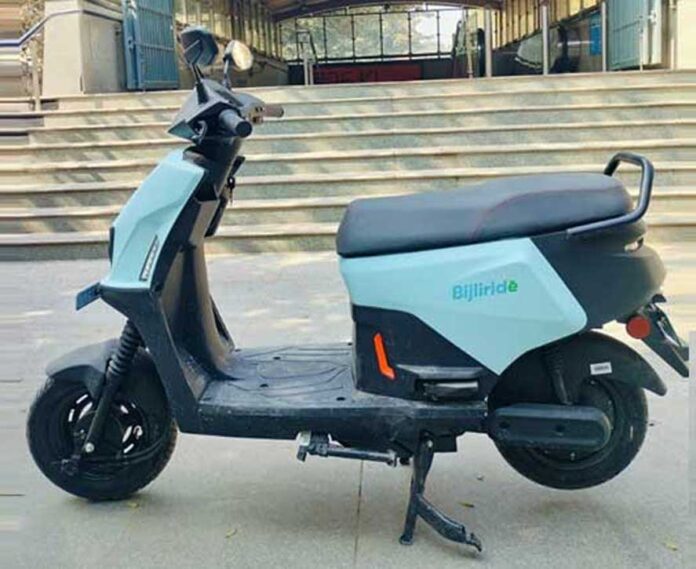
EV mobility and fleet solutions platform Bijliride has marked five years of operational growth by achieving significant milestones across India’s last-mile mobility ecosystem. Since starting operations in June 2021 with just three electric scooters, the company has expanded its fleet to more than 5,000 electric two-wheelers and completed over 12.2 crore green kilometres nationwide.
Operating through a technology-driven hub-and-spoke model, Bijliride currently serves key urban markets including Hyderabad, Delhi, Mumbai, Pune, and Bengaluru. The platform has crossed 200,000 app downloads and supported more than 30,000 customers and gig workers, strengthening its position in the rapidly growing electric mobility sector.
Over the years, Bijliride has emerged as a key mobility infrastructure partner for several leading last-mile delivery and quick-commerce companies, including Zepto, Zomato, Swiggy, Rapido, Blinkit, BigBasket, Apollo 24/7, Rebel Foods, Tata 1mg, Shadowfax, Pronto, Flipkart Minutes, and Amazon Now.
To support its expanding operations, the company has developed a comprehensive EV ecosystem in collaboration with multiple industry stakeholders. These include electric two-wheeler manufacturers such as BGauss, charging infrastructure providers Bolt.Earth and DeCharge, battery-swapping partners including Indofast Energy (Sun Mobility), and startup ecosystem enablers such as T-Hub.
This rapid fleet utilisation over the past five years has driven significant financial growth, with company revenue surging to ₹18 crore in FY2025, up from ₹10 crore in FY2024, and setting a clear revenue target of ₹44 crore for its next scaling phase. This upward trajectory is powered by its proprietary full-stack technology platform, which integrates rental, fleet, and rider management with advanced operational intelligence, backed by a robust 24×7 roadside support network that has successfully executed over 29,665 battery swaps and 7,064 battery deliveries. Millions of these sustainable deliveries have been successfully executed on the ground through the implementation of its ‘Project Udaan’ initiative.
The environmental and socio-economic impact of Bijliride’s operations remains a core pillar of its five-year success. To date, the electric fleet has offset 70.3 lakh kg of CO₂ emissions and saved 30.4 lakh litres of fuel. This transition has allowed gig workers to collectively save ₹32.8 crore in fuel and maintenance costs, translating to direct monthly savings of ₹8,000 to ₹15,000 per rider compared to standard petrol vehicles. Furthermore, promoting social sustainability and inclusive growth, Bijliride collaborated with the Telangana Women Safety Wing (WSW) and the MOWO (Moving Women) organisation for the ‘Stree Ride’ campaign, providing women with vehicles, tech, and specialised training to safely enter the delivery workforce.
“Five years ago, we started with just three scooters and a simple belief that electric mobility should be accessible to everyone,” said Shivam Sisodiya, Founder & CEO of Bijliride. “Today, seeing thousands of riders, delivery partners, and businesses benefiting from our platform gives us immense satisfaction. We are grateful to our customers, partners, investors, and team members who have been part of this journey. The next five years will be about building India’s most trusted and scalable mobility ecosystem while accelerating the transition towards sustainable transportation.“
Looking ahead, Bijliride enters its next phase of aggressive expansion. By December 2026, the company aims to establish a stronger footprint across multiple Tier-1 and Tier-2 cities, including upcoming deployments in Chennai and Delhi NCR, targeting over 10,000 electric vehicles on the road in collaboration with more than 50 franchise partners. This expansion serves as a stepping stone toward the company’s long-term 2030 vision, which targets the deployment of more than 1,00,000 electric two-wheelers across India to serve 2.5 million users.