
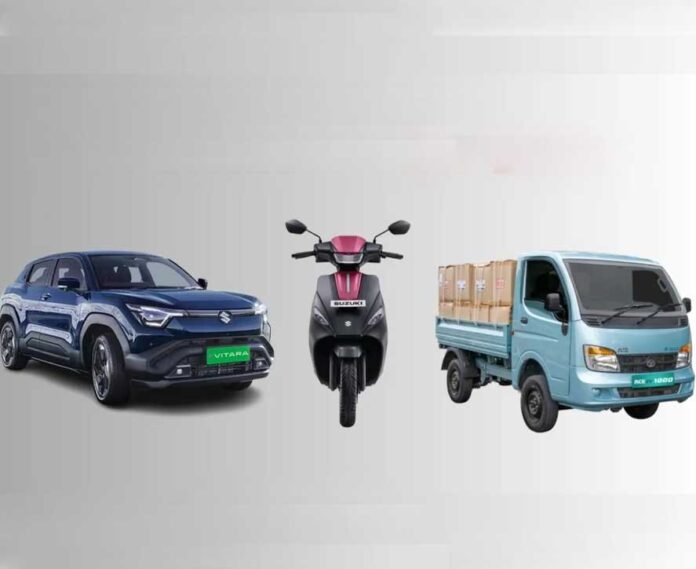
Delhi witnessed its highest monthly electric vehicle (EV) registrations of 2026 in July, marking the first full month after the implementation of the Delhi Government’s EV Policy 2.0. According to data from the Vahan portal, 11,365 EVs were registered during the month, indicating growing consumer interest driven by the new policy’s incentives.
The July figure represents an increase from 10,583 EV registrations recorded in June, before the policy came into effect, and is 15.5% higher than the 9,839 EVs sold in July 2025. While the numbers are encouraging, the growth has been steady rather than explosive, suggesting that the market is still adapting to the new policy measures.
EV Market Recovering After Slow Start
Delhi’s EV market had a subdued start to the year, with registrations remaining below 10,000 units for most months. Sales dropped to a low of 5,472 units in February before gradually improving. Registrations recovered to more than 8,200 units in March and April, climbed to 9,585 in May, crossed the 10,000 mark in June, and reached a yearly high in July.
Despite setting a new high for 2026, July’s performance is comparable to the strong festive-season months of 2025, when Delhi registered 10,890 EVs in August, 10,931 in September, and 11,368 in October.
Electric Two-Wheelers Continue to Lead
Electric two-wheelers remained the largest contributor to Delhi’s EV market, accounting for nearly 60% of total registrations in July. The category recorded 6,710 registrations.
Other segments included:
- Electric passenger cars: 2,331 units
- Electric goods three-wheelers: 1,217 units
- Electric cabs: 622 units
- Electric goods carriers: 242 units
- E-rickshaws: 104 units
- Electric scooters with sidecars: 2 units
Experts Urge Patience Before Judging Policy Impact
Industry experts believe it is too early to assess the effectiveness of EV Policy 2.0 based on a single month’s data. They suggest that a broader trend over the coming quarters will provide a clearer picture of consumer response.
According to industry observers, while the policy’s incentives have generated positive momentum, sustained growth will depend on several factors, including the expansion of charging infrastructure, wider vehicle availability, and stronger consumer confidence.
Officials from the Delhi Government also expect the upcoming festive season to play a significant role in determining the policy’s long-term success, as vehicle purchases traditionally peak during this period. The next few months are expected to reveal whether the current momentum translates into sustained growth in electric vehicle adoption across the national capital.