
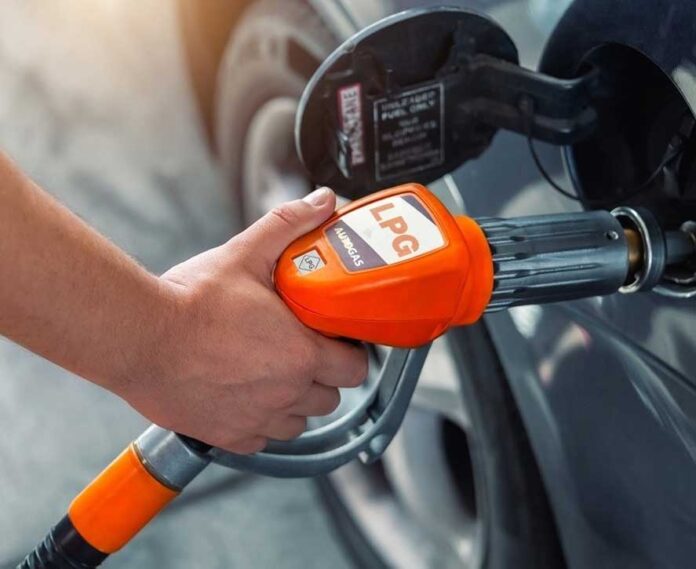
The Indian Auto LPG Coalition (IAC) has welcomed the Ministry of Road Transport and Highways’ (MoRTH) draft proposal to extend the prescribed vehicle age limit by five years for battery-operated, hydrogen fuel-based and natural gas-driven commercial vehicles covered under the national permit system, while calling for Auto LPG-powered vehicles to be included within the proposed framework. The Coalition said extending the same consideration to compliant Auto LPG vehicles would make the proposed clean-mobility framework more inclusive and technology-neutral.
The proposed extension presents an opportunity to apply a consistent policy approach across established cleaner-fuel technologies. Auto LPG-powered vehicles that meet prescribed safety, fitness, and emission requirements should be assessed on parameters such as emissions, affordability, infrastructure readiness, safety, and energy security rather than excluded based on fuel alone. Inclusion would also allow owners and fleet operators to derive greater value from compliant vehicles and existing investments.
Auto LPG already has a substantial global transport footprint, powering more than 30 million vehicles across nearly 80,000 refuelling stations worldwide. In India, the fuel is supported by an established vehicle-conversion ecosystem and a network of close to 2,500 Auto LPG dispensing outlets. This existing ecosystem makes Auto LPG a readily available option for suitable vehicles, particularly in segments where replacing an existing vehicle with a new clean-technology vehicle may not yet be practical.
Commenting on the draft proposal, Mr. Suyash Gupta, Director General, Indian Auto LPG Coalition, said, “The proposed five-year extension for EVs, hydrogen and natural gas vehicles is a welcome step, but cleaner mobility policy cannot be technology-selective. Auto LPG must also be included. It is a proven, readily available and cost-effective transport fuel that can reduce vehicular emissions today, including through the conversion of suitable existing petrol vehicles. If the objective is to encourage cleaner transportation, every viable technology should have an opportunity to qualify based on its emissions performance, safety, affordability, infrastructure readiness and contribution to energy security.”
The case for including Auto LPG is particularly relevant to India’s existing vehicle fleet, which will continue to account for a significant share of road transport even as newer technologies gain ground. While EVs and hydrogen are expected to expand over time, complete fleet replacement will take years. Converting suitable petrol vehicles to Auto LPG can provide an alternative route to reducing emissions from vehicles already on the road, while allowing compliant vehicles to continue operating under prescribed safety, fitness and emission norms.
A multi-fuel approach can help address the different requirements of India’s diverse vehicle market. EVs and hydrogen can support the longer-term transformation of the transport sector, while Auto LPG can serve segments where conversion is more feasible than immediate replacement. Recognising these complementary pathways would allow cleaner mobility policies to account for both emerging technologies and the realities of the existing fleet.
IAC called for Auto LPG-powered commercial vehicles to be included in the proposed national permit age-extension framework before the amendments are finalised. Any such extension, the Coalition emphasised, should remain linked to mandatory fitness, safety, emission and regulatory requirements, ensuring that the benefit applies only to vehicles that continue to meet prescribed standards.