Bentley has unveiled its first fully electric vehicle, the Torcal SUV, as the British luxury carmaker looks to attract affluent buyers seeking zero-emission mobility without moving away from the brand’s established design identity.
The launch comes at a time when several ultra-luxury automakers are taking different approaches to electrification. Bentley’s strategy is to make its first EV immediately recognisable as a Bentley, retaining styling elements associated with its combustion-engine models.
Bentley Torcal Retains Familiar Design Cues
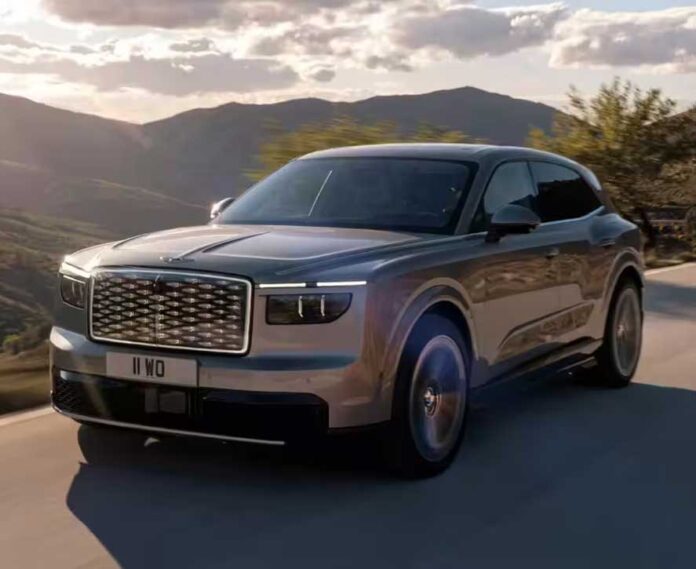
Unlike some electric models that adopt radically different designs, the Bentley Torcal closely follows the brand’s established visual language. The SUV features distinctive diamond-shaped lighting elements inspired by Bentley’s traditional front grille, despite an EV not requiring a conventional grille for engine cooling.
Bentley has also attempted to recreate some of the sensory characteristics associated with its V8-powered models. The Torcal features an artificial sound experience based on orchestral timpani, or kettledrums, with additional drums increasing in intensity as the vehicle accelerates.
“Our intention was always to make a Bentley,” Bentley CEO Frank-Steffen Walliser told Reuters. He added that customers were not necessarily looking for a completely different vehicle simply because it was electric.
Torcal Positioned as a More Accessible Bentley
The Torcal will sit towards the lower end of Bentley’s model range, with a starting price of £173,000 (approximately $230,000). This puts it significantly below Ferrari’s first EV, the Luce, which starts at €550,000 (around $628,000).
Walliser described the Torcal as a “more affordable Bentley” that could help the brand enter new markets.
Bentley has been presenting the electric SUV to existing and potential customers, with strong interest reported from Europe, the Middle East and US states with higher EV adoption. The company plans to begin a launch campaign in China next year.
According to Walliser, around half of the interest in the Torcal is coming from existing Bentley customers considering an EV or looking to replace vehicles in their fleets. The remaining interest is coming from customers who are new to the brand.
Bentley Invests £350 Million in UK Production
Bentley has invested £350 million (approximately $465 million) in its factory in Crewe, northwest England, to produce the Torcal.
The investment comes as British automotive manufacturing faces a period of significant transition towards electrification. Other manufacturers have also announced major investments in the UK, including McLaren and Nissan.
British business minister Jonathan Reynolds described Bentley’s investment as evidence that the UK is creating conditions for continued industrial growth.
Bentley Takes a Different EV Approach
Bentley’s first EV arrives as the ultra-luxury segment continues to navigate the shift towards electric mobility.
Rolls-Royce, owned by BMW, is currently the other major ultra-luxury manufacturer selling an EV. Lamborghini, which is also part of the Volkswagen Group, has pushed back the launch of its first electric model until the end of the decade. McLaren has also said it currently has no plans for an EV, citing limited customer demand.
Bentley itself previously delayed its first EV from an earlier timeline to 2026 and dropped its target of becoming fully electric by 2030, citing customer readiness for the transition.
With the Torcal, Bentley is now entering the EV market while attempting to preserve the design, character and brand identity that have defined the marque for more than a century.