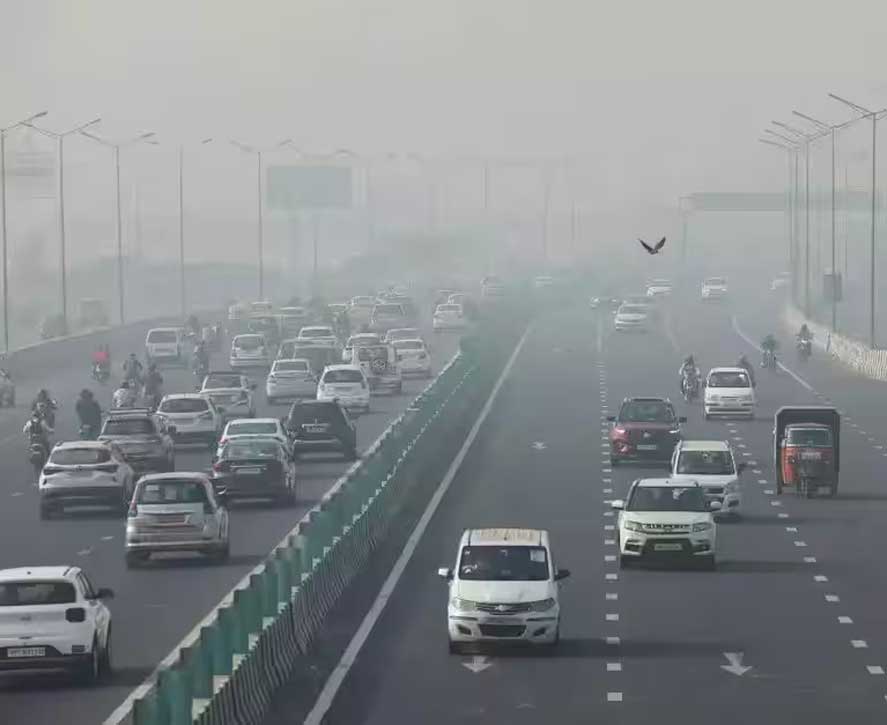

The monsoon season presents some of the toughest driving conditions for motorists across India. Heavy rainfall, reduced visibility, waterlogged roads and unpredictable traffic patterns increase the risk of accidents, making road safety more critical than ever. While defensive driving remains the first line of defence, advancements in automotive technology are helping drivers stay better prepared for unexpected situations on the road.
In this guest article, Mr. Anuj Bhatia, Founder of Dylect, explores how dash cams have evolved from optional in-car accessories into essential safety companions. He explains how modern dash cams, equipped with features such as high-resolution recording, low-light performance, parking surveillance and smart connectivity, not only provide reliable evidence during accidents and insurance claims but also enhance driver confidence and promote greater accountability on the road.
The monsoon season transforms driving conditions across India. Heavy rainfall, poor visibility, waterlogged roads, sudden lane changes and unpredictable traffic behaviour significantly increase the risk of road incidents. While safe driving practices remain the foundation of road safety, motorists are increasingly turning to smart automotive technologies that help them stay prepared when unexpected situations arise.
Among these, dash cams have evolved from being optional car accessories to becoming valuable safety companions for everyday driving. Their role extends far beyond simply recording a journey. By continuously capturing the road ahead and in many cases the rear and cabin as well they provide an objective record of events that can prove invaluable during accidents, insurance claims, or road disputes, which are often more common during adverse weather conditions.
During the monsoon, it is important to ensure that a dash cam is ready for challenging driving environments. Before setting out, drivers should ensure the camera lens or, if installed, the Circular Polarizing Lens (CPL) filter is clean and properly fitted to minimise windshield glare and dashboard reflections. They should also verify that the memory card has sufficient storage and ensure features such as loop recording, emergency event recording through a G-sensor, parking surveillance, and reliable low-light performance are functioning properly. These capabilities help ensure that critical moments are captured even in heavy rain, poor lighting, or when the vehicle is parked.
Modern dash cams are also becoming more intelligent and connected. High-resolution recording, wide-angle coverage, Wi-Fi-enabled access to footage, and multi-channel recording allow motorists to capture multiple perspectives of their journey while making it easier to access, review, and share footage whenever required. These advancements are making dash cams increasingly relevant not only for private vehicle owners but also for families, ride-hailing drivers, commercial fleets, and logistics operators who depend on safe and efficient mobility every day.
As India’s automotive ecosystem continues to embrace connected technologies, consumers are increasingly prioritising solutions that combine convenience with enhanced safety. Dash cams are playing an important role in this transition by promoting greater accountability on the road, simplifying insurance claim documentation, and encouraging responsible driving behaviour.
With unpredictable weather becoming a recurring challenge during the monsoon, a reliable dash cam is no longer just about documenting it is about being better prepared for the unexpected.
Investing in a feature-rich solution that offers clear video quality, dependable recording, and smart safety features can provide motorists with added peace of mind while contributing to a safer and more accountable driving environment.