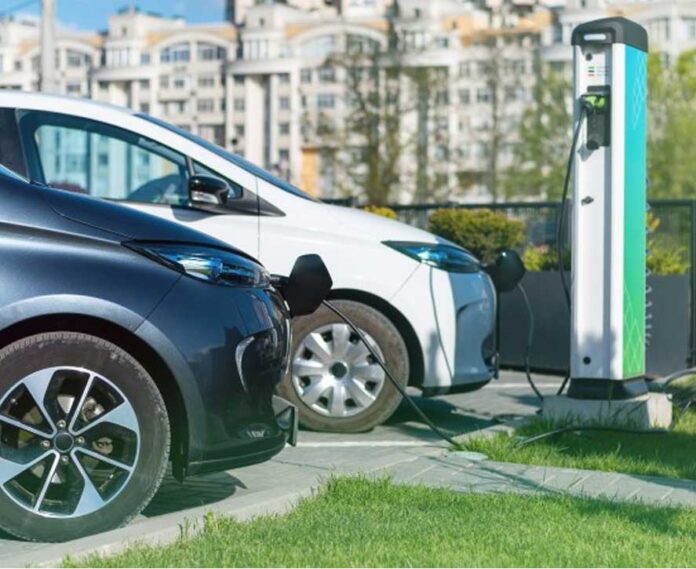
As India’s electric mobility ecosystem enters a new phase of growth, the focus is increasingly shifting from EV adoption to building the infrastructure, products and consumer confidence needed to make electric mobility mainstream. On World EV Day, industry leaders from across the electric two-wheeler, charging infrastructure, energy and mobility sectors have highlighted the key priorities shaping the country’s next chapter of electrification.
From expanding EV adoption beyond major cities and making electric motorcycles more accessible to strengthening charging infrastructure, energy management and after-sales support, the industry believes the next phase will depend on creating a dependable and inclusive EV ecosystem. The leaders also emphasise the importance of technology, domestic manufacturing, renewable energy and practical solutions that address the everyday needs of Indian consumers.
Against this backdrop, industry leaders share their perspectives on how India can accelerate the transition from EV adoption to widespread, sustainable and mainstream electric mobility.
Ms. Madhumita Agrawal, Founder & CEO of Oben Electric

“India’s EV journey is entering a new phase, the conversation is shifting from adoption to mainstream acceptance. With EV registrations crossing 25 lakh in FY2025-26, the momentum is clear, with electric two-wheelers emerging as one of the strongest drivers of this transition.
The next opportunity lies in electric motorcycles. Two-wheelers are at the heart of everyday mobility in India, and as consumers increasingly look at EVs not as an alternative but as their primary mode of transport, electric motorcycles can play a defining role in taking electrification deeper into the mass market.
For this shift to scale, the industry must continue to focus on the accessible pricing, dependable products, convenient charging, strong after-sales support and a robust domestic EV ecosystem. Continued policy support, alongside investments in technology and manufacturing, will further strengthen this transition.
World EV Day is a reminder that the future of mobility is not just about making vehicles electric; it is about making electric mobility practical, aspirational and accessible to millions of Indians. The next chapter of India’s EV story will be about making that transition truly mainstream.” said Ms. Madhumita Agrawal, Founder & CEO, Oben Electric
Mr. Arun Bharadwaj, Managing Director, Smarten Power Systems
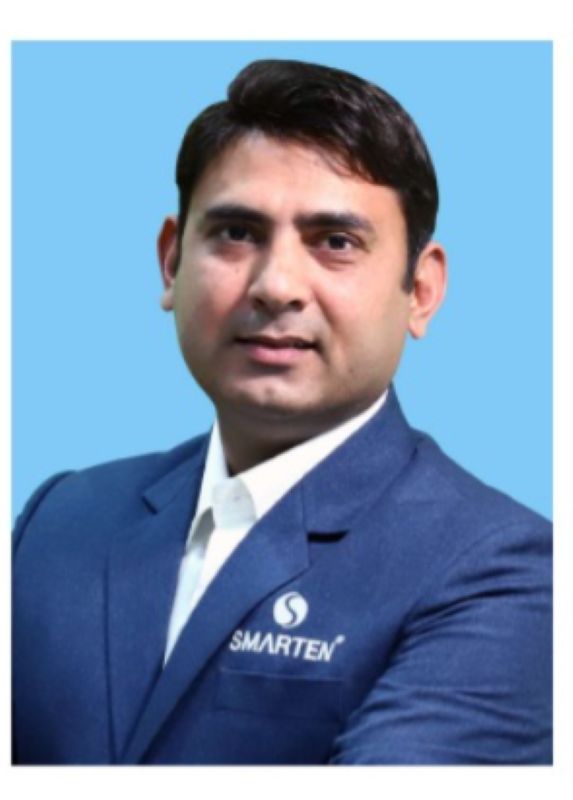
“World EV Day provides an opportunity to look at electrification as more than simply a transition from conventional vehicles to electric ones. It is equally about building the energy infrastructure required to make electric mobility reliable and practical in everyday life. The effectiveness of an EV depends significantly on the ecosystem supporting it, making dependable charging infrastructure, efficient energy use and adequate power availability increasingly important.
As India enters the next phase of EV adoption, generation, charging, energy storage and consumption need to be viewed as interconnected parts of the same ecosystem. The focus should also extend beyond EV sales volumes to whether the supporting infrastructure can keep pace with growing everyday demand. By making greater use of renewable energy and managing power demand more efficiently, electric mobility can evolve beyond being a cleaner mode of transportation and contribute to building a smarter, more resilient energy system,” said Mr. Arun Bharadwaj, Managing Director, Smarten Power Systems.
Mr. Divyanshu Agarwal, CEO, Zelio E-Mobility
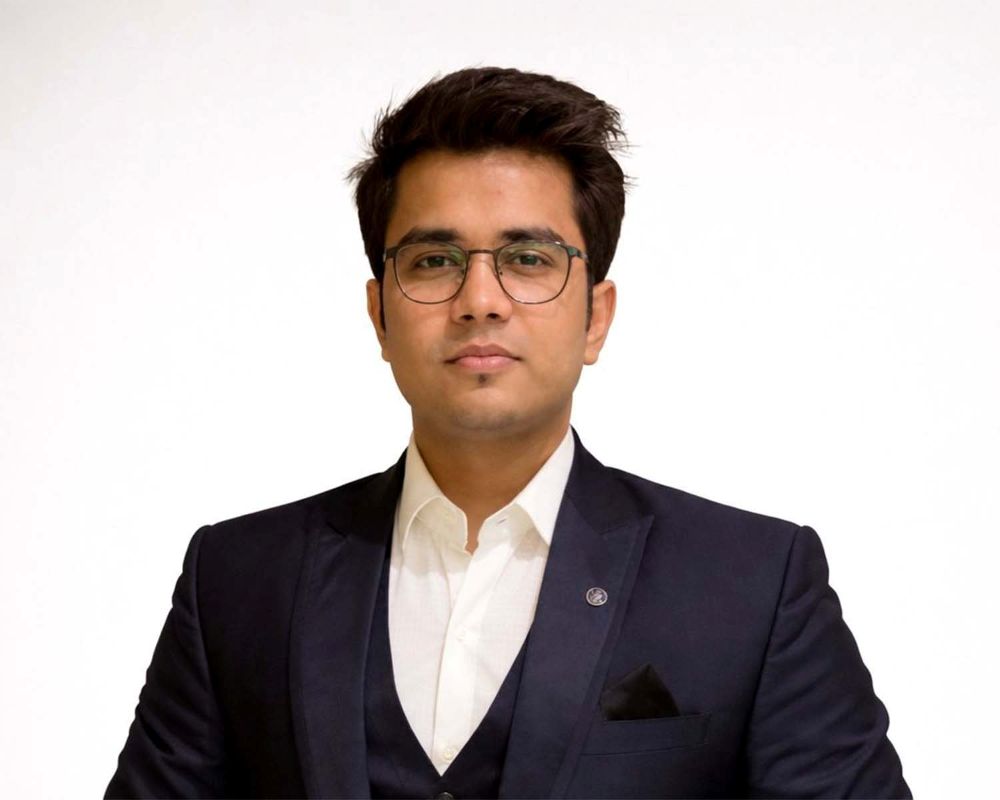
“World EV Day serves as a reminder that India’s transition to electric mobility will not be driven by a single vehicle segment or limited to major metropolitan markets. The next wave of EV adoption is increasingly emerging from Tier 2 and Tier 3 cities, where electric two-wheelers are meeting everyday mobility needs through practical, accessible and affordable solutions.
In these markets, the low-speed EV segment has an important role to play. Our experience has shown that sustainable EV adoption depends on how effectively technology addresses real-world requirements, including efficient daily commuting, low running costs, ease of operation and dependable local service. The key opportunity now lies in expanding our presence across smaller towns and converting growing consumer interest into long-term trust.
At Zelio E-Mobility, we remain focused on developing relevant, value-driven mobility solutions that can help electric two-wheelers evolve from an emerging alternative into a mainstream mobility choice across India,” said Mr. Divyanshu Agarwal, CEO, Zelio E-Mobility.
Mr. Reshu Madan, President and SBU Head, Havells India
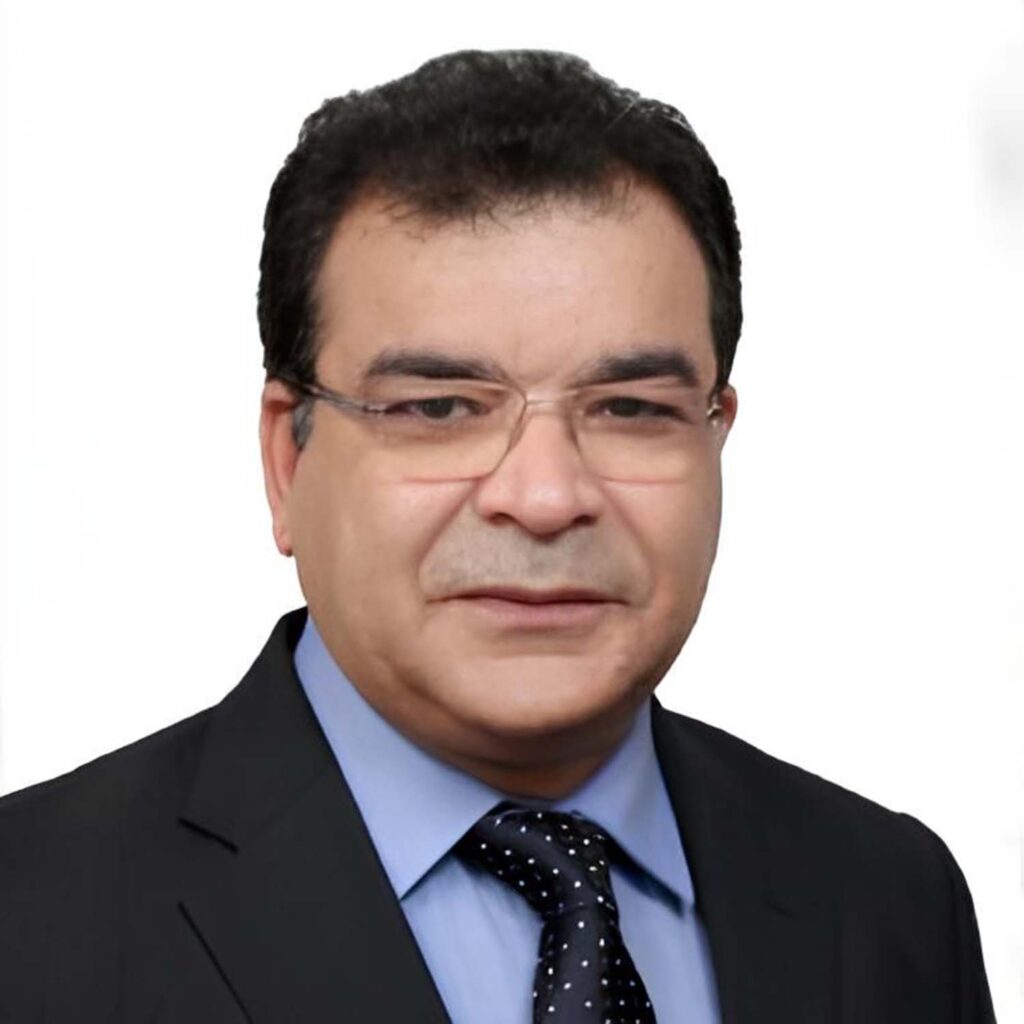
“India’s EV revolution is moving beyond adoption and entering a phase where building confidence and creating the right ecosystem for large-scale growth will be critical.
As more consumers and businesses shift towards electric mobility, the focus is increasingly moving towards developing an ecosystem that is dependable, intelligent and future-ready. Charging infrastructure will play a crucial role in this transition, and it must go beyond convenience to deliver the reliability and trust that EV users expect.
At Havells, trust has been built over decades through our focus on electrical safety, quality and innovation. Through Havells MotrON, we are extending this legacy to electric mobility with charging solutions designed for homes, workplaces, fleets and highways. From AC chargers supporting everyday journeys to DC fast chargers enabling mobility at scale, MotrON is guided by the principles that have long defined Havells: Safety First, Technology Forward and Reliability Always.
We believe the future of mobility will be closely connected with renewable energy, energy storage and intelligent energy management. Charging infrastructure will increasingly become an integral part of a broader energy ecosystem that is cleaner, smarter and more efficient. On World EV Day, we reaffirm our commitment to supporting India’s electric future with solutions designed not only to meet today’s requirements but also to address the ambitions of tomorrow.
Every EV needs power, but India’s transition to electric mobility also needs trust,” said Mr. Reshu Madan, President and SBU Head, Havells India.
Ms. Alpna Jain, Co-Founder & Chief Business Officer, DRIVN

“One of the most encouraging developments in electric mobility today is that its environmental and economic benefits are increasingly moving hand in hand. This is particularly significant for heavy commercial fleets. Trucks and buses spend most of their time on the road, which means every rupee saved on fuel and maintenance can translate into substantial savings across an entire fleet.
With global oil prices continuing to create uncertainty for operators, electricity offers a more predictable running-cost base while also helping reduce maintenance and operating expenses. In many cases, the total cost of ownership of an electric commercial vehicle is now proving more attractive than diesel.
At DRIVN, we see this shift happening every day. Fleet operators are increasingly choosing electric mobility because the economics make sense. The decision is no longer driven solely by sustainability; it is increasingly about building a more efficient and cost-effective business.
When environmental responsibility and business efficiency come together, the transition to electric mobility becomes a much easier decision. That, in essence, is the real story of the EV transition—and a fitting message for World EV Day: when the numbers work, change follows.”
Dr. Uday Narang, Founder and Chairman, Omega Seiki Mobility
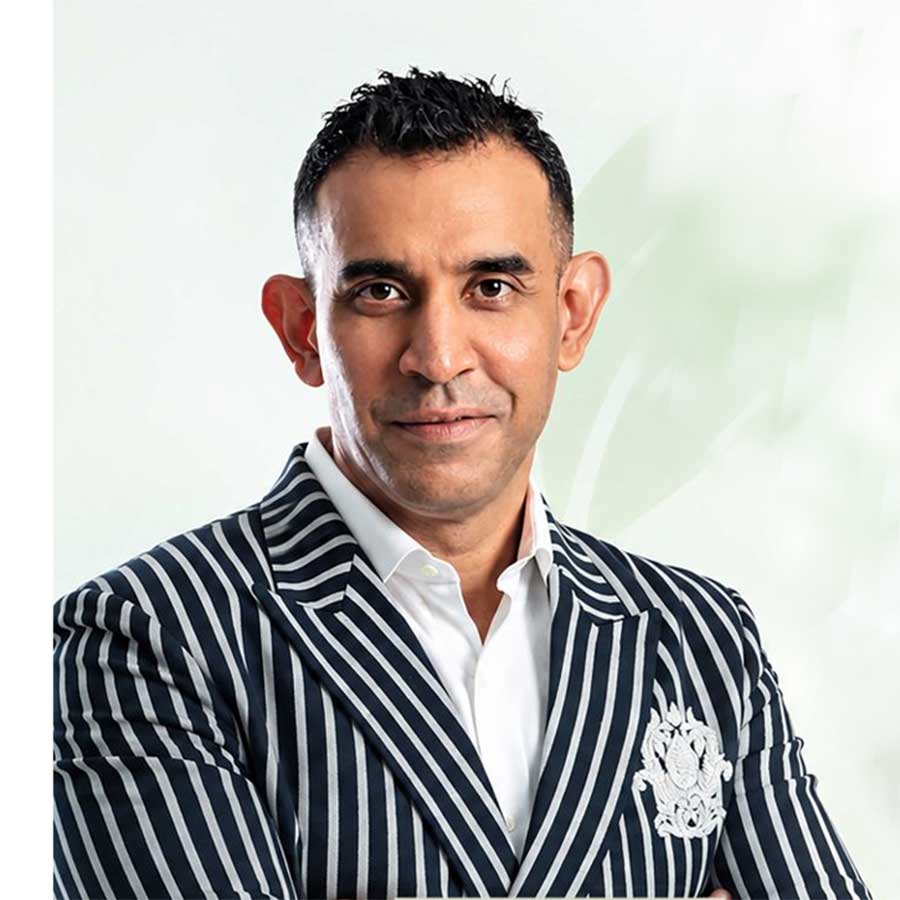
“India’s clean-energy transition is no longer merely aspirational. Clean energy sources now account for more than 331 GW of installed capacity, surpassing fossil-fuel capacity. As electric-vehicle adoption accelerates, ensuring energy independence must remain at the heart of this transition.
India now has more than 29,000 public charging stations, but the next challenge is to extend reliable and accessible charging infrastructure to Tier-II and Tier-III markets. With ₹2,000 crore allocated under the PM E-DRIVE scheme, we must look beyond government-led deployment and accelerate infrastructure development through stronger public-private partnerships, greater private investment and continued innovation.
Electric vehicles, renewable energy and advanced technologies such as nuclear power will play a defining role in shaping India’s energy-secure future.”
Dr. Narang said the next phase of India’s EV journey will need to focus on more than accelerating vehicle adoption. According to him, building a resilient clean-energy ecosystem that connects electric mobility with renewable power, advanced energy technologies and domestic manufacturing will be critical to achieving long-term energy security.
He also stressed the importance of greater private-sector participation and innovative public-private partnership (PPP) models to accelerate charging infrastructure development in emerging markets. Expanding dependable charging networks across Tier-II and Tier-III cities, he noted, will be essential to supporting wider EV adoption and making electric mobility more accessible across India.
Mr. Anurag Mehrotra, Managing Director, JSW MG Motor India
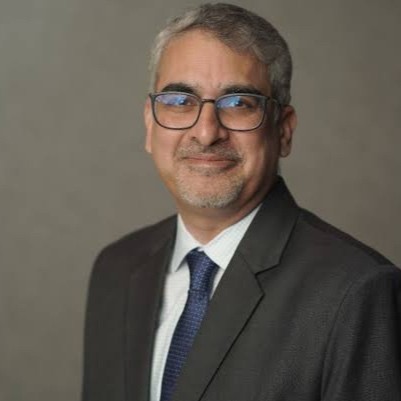
“The Indian auto industry’s EV ambitions are being strongly embraced and acknowledged by the customers, as the EV segment continues to grow steadily. This upward trajectory is driven by new products, better driving range, improving tech and features, progressive government policies and support, an expanding charging network, and the growing road infrastructure. The ecosystem is being nurtured in a manner that encourages customers to increasingly choose EVs as their primary vehicles.
This World EV Day, I would like to congratulate all our EV customers for making the right choice. I would also like to reaffirm that at JSW MG Motor India, our journey forward will be marked by several innovations aimed at expanding our EV portfolio and offering customers the right choice at the right price point. These include introducing new technologies that will act as a catalyst to strengthen customer trust, further reinforcing their preference for EVs. Additionally, we remain heavily focused on localising the vehicles that will bear these new technologies, ensuring we remain cost-competitive and achieve greater volume scalability, helping us in expanding our reach.”
Mr. Pulkit Khurana, Co-founder and CEO, Battery Smart
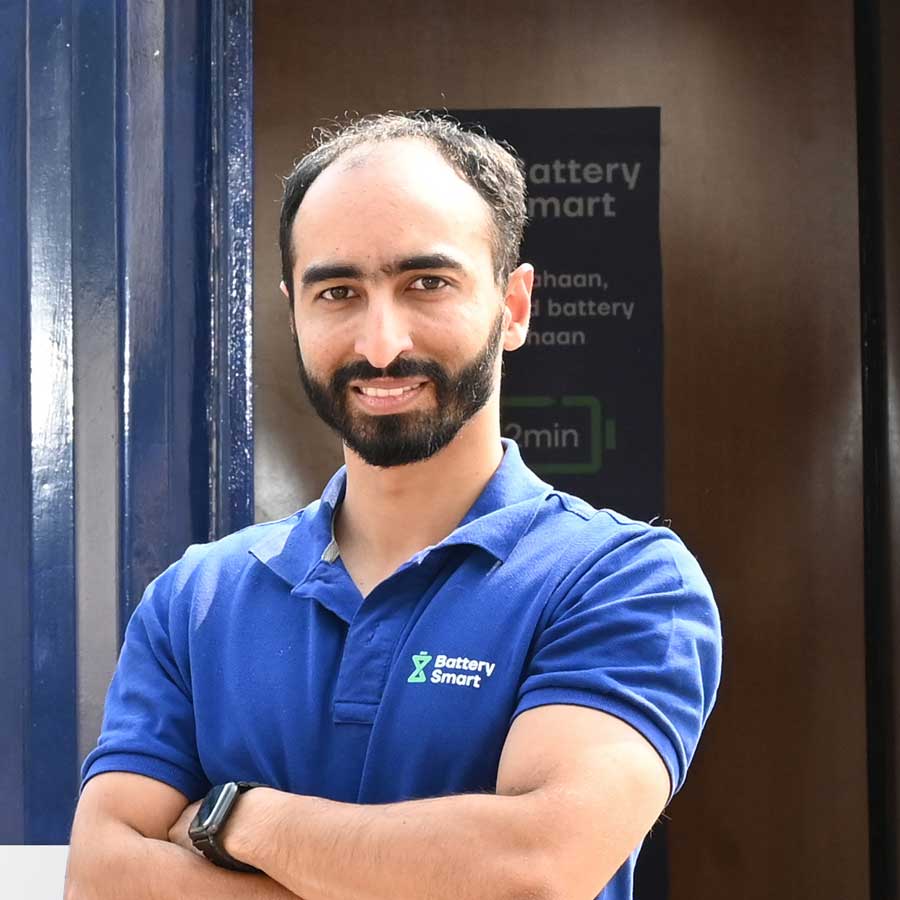
“India’s EV transition is entering a new phase, where the focus is shifting from adoption to building the infrastructure and services needed to sustain growth at scale. For high-utilisation 2W and 3W users, particularly those powering India’s last-mile and gig economy, uptime and economics are critical. Our Battery-as-a-Service (BaaS) model addresses both by reducing upfront battery costs and charging downtime, while enabling higher vehicle utilisation and earning potential.
Today, our network spans 325,000+ connected smart batteries across 90+ cities, serving 1 lakh+ drivers through 1,500+ battery stations and enabling 4.5 billion+ clean kilometres. This demonstrates how BaaS can create meaningful impact at the intersection of economics, accessibility and sustainability.
As India accelerates its EV transition, scalable energy-access models will be critical to making electric mobility a practical, sustainable and economically viable choice for millions of drivers and businesses.”
Mr. Ganesh Mani, CEO, Switch Mobility
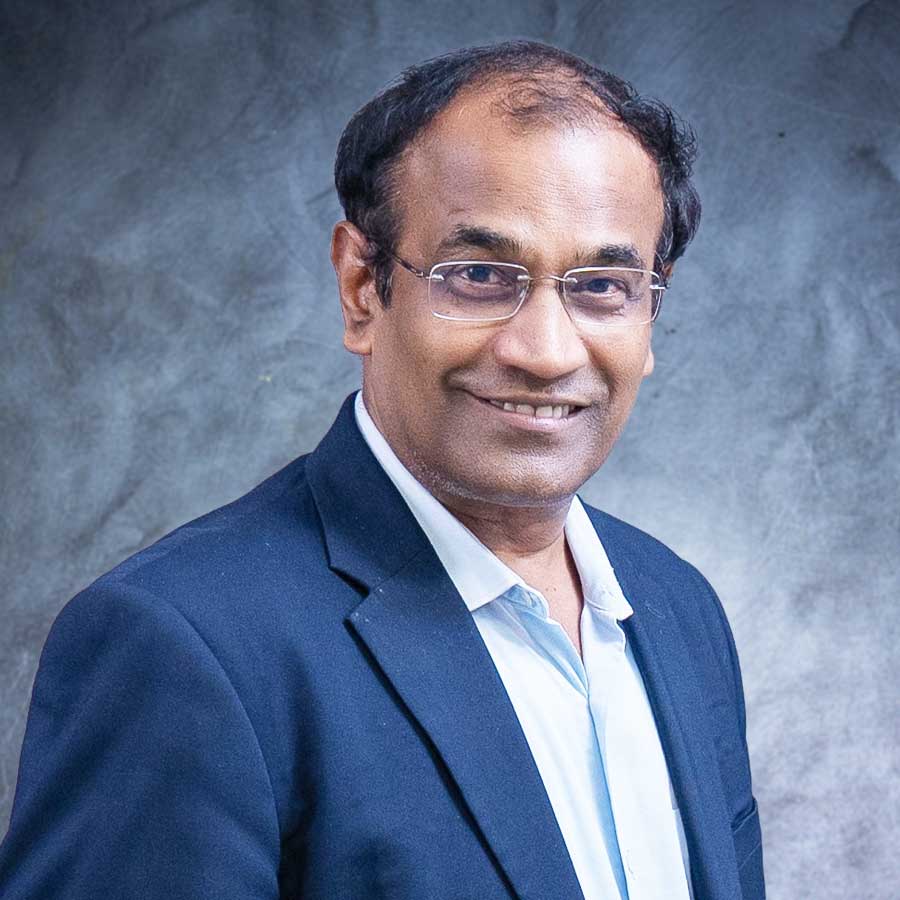
“Government policies and incentives have been critical to the early adoption of electric commercial vehicles in India, helping fleet owners overcome the risks of new technology and higher upfront costs.
As the technology and ecosystem mature, the focus is shifting towards total cost of ownership, lower operating costs and greater efficiency.
The World EV day is a reminder to us as an industry that all our efforts towards Net-Zero and a sustainable future will rely on our collective effort. With electric bus penetration potentially reaching 10% by FY2028-29, the next phase of growth will be led by private-sector customers, including private operators, B2B logistics platforms and private bus operators. For them, operational economics and payback timelines matter. That’s where, the commercial vehicle sector will be able to move from early adoption to true scale.”
Mr. Akshit Bansal, Founder & CEO, Statiq
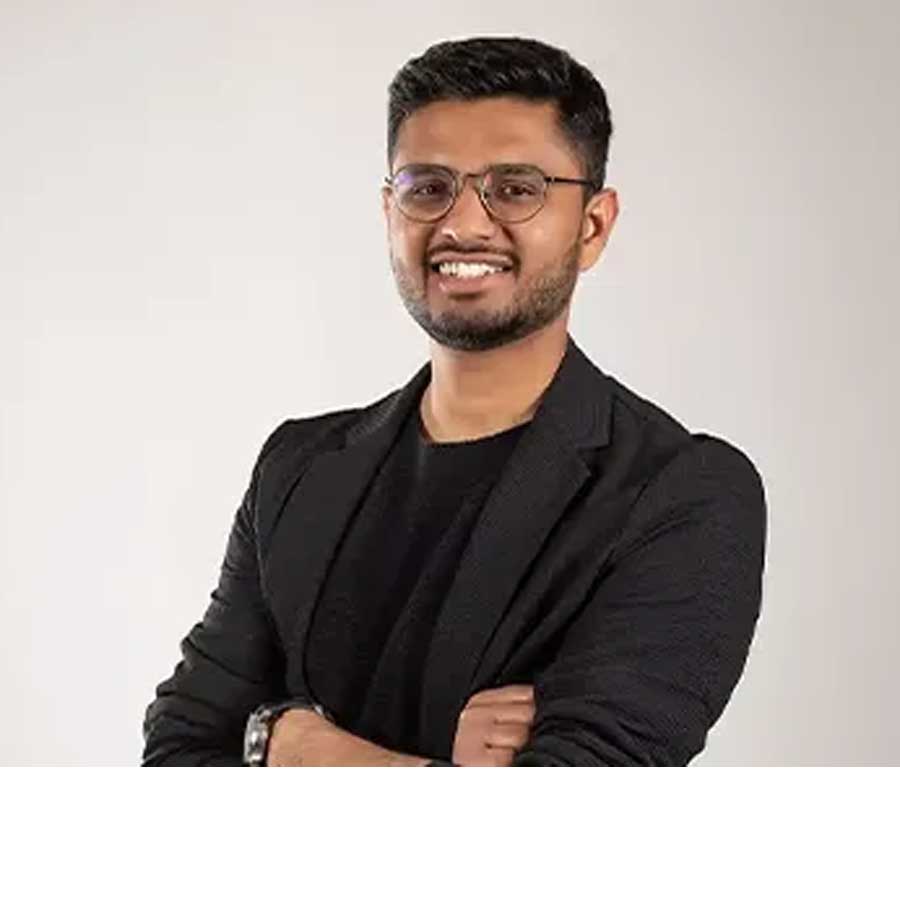
“On World EV Day 2026, with the global theme ‘Switching Electric: Driving Down the Cost of Motoring’, Statiq remains committed to making EV adoption more affordable and convenient for Indian consumers.
With more than 10,000 chargers across 100+ cities, we are rapidly expanding our network through partnerships with government bodies, automakers and hospitality players. Our target is to reach 20,000 charging points nationwide by the end of 2026, providing reliable charging access to millions of EV users.
Our charging portfolio spans DC fast chargers from 60 kW to 360 kW, AC chargers, Nectar smart home chargers and portable charging solutions, catering to public, commercial and residential requirements.
As new EV launches continue to accelerate, we see significant opportunities for consumers and investors to participate in India’s clean mobility transition. We believe accessible infrastructure, advanced technology and trusted partnerships will be crucial to driving the country towards sustainable mobility.”