
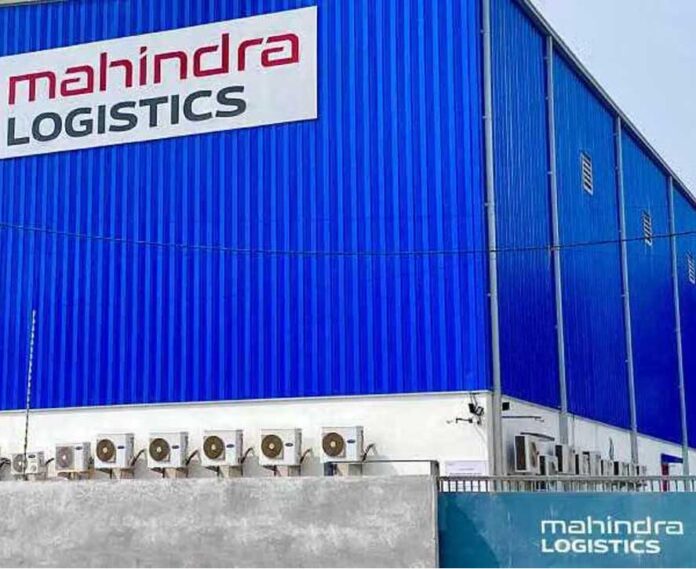
Mahindra Logistics Limited (MLL) reported a 23% year-on-year increase in consolidated revenue for the first quarter of FY27, with revenue rising to ₹2,003 crore. The integrated third-party logistics provider also returned to profitability, posting a consolidated profit after tax (PAT) of ₹25.4 crore, compared with a net loss of ₹10.8 crore in the corresponding quarter of the previous financial year. The company had reported a PAT of ₹20.2 crore in the fourth quarter of FY26.
The company’s consolidated EBITDA grew 51% year-on-year to ₹115 crore, reflecting improved operational performance across its core business segments.
Contract Logistics Drives Growth
Mahindra Logistics’ contract logistics business delivered a strong performance during the quarter, with revenue increasing 26% year-on-year. The segment also recorded a 31% growth in EBITDA, supported by improved operating efficiencies and business expansion.
Express Cargo Sees Sharp Increase
The company’s express cargo business registered a 58% year-on-year growth in revenue, driven by higher container volumes and better pricing realisation. The performance highlights continued demand for freight and cargo movement services.
Corporate Mobility Business Expands
The corporate mobility segment posted a 38% increase in revenue compared with the same quarter last year. Segment earnings also improved by 8% year-on-year, reflecting steady growth in employee transportation and mobility solutions.
Last-Mile Delivery Business Improves Profitability
Mahindra Logistics’ last-mile delivery business reported a 16% decline in revenue year-on-year. The company attributed the drop to a strategic portfolio rationalisation, under which it exited unprofitable customer accounts amid continued pricing pressure in the retail logistics market.
Despite lower revenue, the division’s profitability improved significantly, with segment earnings rising to ₹2.6 crore, compared with a loss of ₹0.5 crore in the first quarter of FY26. According to the company, the improved earnings demonstrate the benefits of its focus on operational efficiency and a more profitable customer mix.