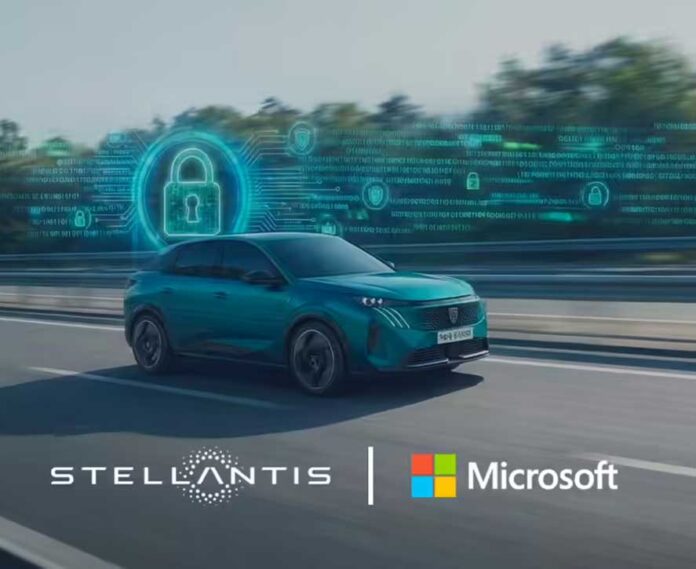
Global automaker Stellantis and technology leader Microsoft have announced a five-year strategic collaboration aimed at expanding the use of artificial intelligence across the automaker’s operations, customer services, and vehicle technologies. The partnership will focus on developing more than 100 AI-driven initiatives spanning product development, manufacturing, and customer experience.
Ned Curic, Chief Engineering and Technology Officer at Stellantis, highlighted the company’s early adoption of AI across its ecosystem. “As AI continues to advance rapidly, we have already embedded AI across our engineering, manufacturing, design, and customer interaction processes. We are also integrating AI directly into our vehicles, from next-generation digital cabins to the core vehicle operating system,” he said.
As part of the collaboration, Stellantis plans to deepen AI integration into both vehicles and backend systems. This includes intelligent features capable of providing drivers with real-time recommendations for improved efficiency, predictive maintenance, and vehicle health monitoring, enhancing both performance and ownership experience.
Cybersecurity will form a key pillar of the partnership. Stellantis will establish an AI-powered global cyber defence centre designed to monitor and protect its IT infrastructure, connected vehicles, and digital platforms. The initiative is expected to strengthen threat detection, improve response capabilities, and enhance resilience against cyber risks across the company’s global network.
Judson Althoff, Executive Vice President and Chief Commercial Officer at Microsoft, emphasized the value of the collaboration. “By combining Stellantis’ global scale and engineering expertise with Microsoft’s trusted cloud, AI, and security platforms, we aim to deliver meaningful value for millions of drivers worldwide,” he noted.
The partnership also includes a large-scale cloud modernization program using Microsoft Azure. Stellantis aims to reduce its data centre footprint by 60 percent by 2029, while improving operational efficiency and enabling a more connected digital ecosystem across manufacturing, logistics, and customer-facing services.
Additionally, Stellantis is equipping its global workforce with enterprise-grade AI tools to enhance productivity and collaboration. Employees currently have access to Copilot Chat, and the company has initiated the rollout of 20,000 Microsoft 365 Copilot licenses across selected roles, further accelerating AI adoption within the organization.
The collaboration marks a significant step in Stellantis’ digital transformation strategy, reinforcing the growing role of artificial intelligence in shaping the future of mobility.