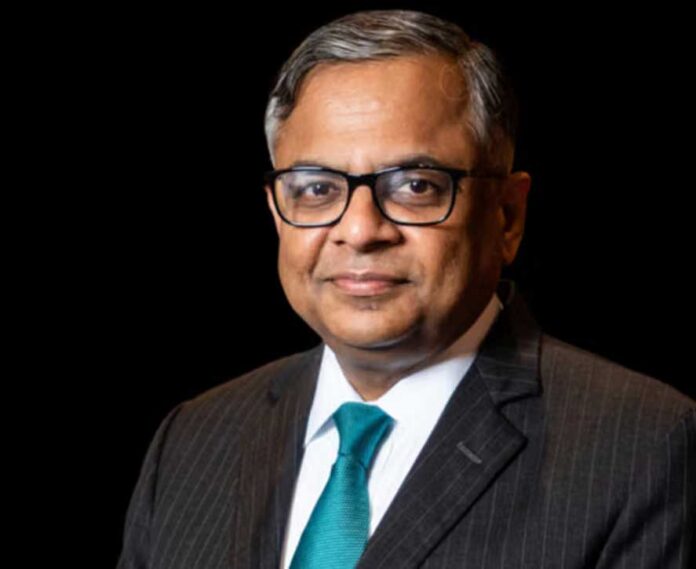
N. Chandrasekaran, who has led the $165-billion Tata Group since 2017, has decided not to seek reappointment as Chairman of Tata Sons when his current term ends on February 20, 2027. His decision marks the end of a nearly decade-long tenure that saw the conglomerate undergo significant expansion and strategic transformation.
Chandrasekaran announced his decision on Wednesday, saying he had completed 40 years of professional life with the Tata Group and was grateful for the opportunity to contribute to the institution.
The decision follows months of uncertainty over his proposed reappointment. The Sir Dorabji Tata Trust and Sir Ratan Tata Trust had unanimously recommended extending Chandrasekaran’s tenure by another five years. The proposal was subsequently backed by the Tata Sons Nomination and Remuneration Committee and the Board.
However, when the reappointment resolution was placed before the full Tata Sons Board on February 24, 2026, it failed to receive unanimous support after one director objected. Chandrasekaran said he chose to defer the matter rather than force a decision.
Six months later, with no resolution reached, Chandrasekaran said prolonged uncertainty over the group’s leadership was no longer sustainable, particularly as Tata Group companies continue to work on major strategic projects.
He has therefore informed the Tata Sons Board that he will not offer himself for reappointment and has urged the Board to begin the succession process promptly.
Leadership Dispute and Succession Questions
Although Chandrasekaran did not identify the director who opposed his reappointment, media reports have pointed to differences involving Noel Tata, Chairman of Tata Trusts. Tata Trusts collectively control around 66% of Tata Sons, giving them significant influence over the conglomerate’s leadership.
According to Reuters, Noel Tata had reportedly sought commitments from Chandrasekaran, including an assurance that Tata Sons would not pursue a public listing. Differences were also reported over board representation and the terms of minority shareholder Shapoorji Pallonji’s exit from Tata Sons.
Chandrasekaran’s departure now puts succession at the top of the Tata Sons Board’s agenda. Shareholders were scheduled to vote on his reappointment as a Tata Sons director at the company’s August 18 AGM, but his decision not to seek another term changes the immediate focus to identifying his successor.
A Four-Decade Tata Group Career
Chandrasekaran joined Tata Consultancy Services (TCS) in 1987 and rose through the ranks to become its CEO and Managing Director in 2009. In January 2017, he became Chairman of Tata Sons, becoming the first person from outside the Tata family to hold the position.
During his chairmanship, the Tata Group expanded its presence in emerging sectors including semiconductors, electric vehicles and aviation. His tenure also included the acquisition and revival of Air India, along with efforts to navigate challenges at Jaguar Land Rover.
As Chandrasekaran prepares to step down, the Tata Group faces a crucial leadership transition, with the next chairman expected to guide the conglomerate through its ongoing investments and long-term strategic ambitions.