With India’s used car market expected to approach 6 million annual vehicle sales, the Indian Auto LPG Coalition (IAC) has urged the government to introduce a dedicated, time-bound national retrofit policy to facilitate the safe and certified conversion of existing petrol and diesel vehicles to Auto LPG (Autogas).
According to the coalition, such a policy could unlock the environmental potential of the country’s rapidly expanding pre-owned vehicle market by enabling cleaner mobility without requiring the purchase of new vehicles. The IAC believes a structured retrofit framework would play a key role in reducing vehicular emissions, improving urban air quality and accelerating the adoption of cleaner fuels, particularly in highly polluted regions such as Delhi-NCR and other non-attainment cities across India.
The coalition’s recommendation comes at a time when India’s used car market is growing significantly faster than the new car segment. Industry estimates indicate that pre-owned vehicle sales could rise from around 4.6 million units in 2023 to more than 10 million units by 2030, registering a compound annual growth rate (CAGR) of 12–13 per cent. Today, more than one used vehicle changes hands for every new car sold in the country. With tens of millions of internal combustion engine vehicles expected to remain on Indian roads for the foreseeable future, converting even a fraction of these vehicles to cleaner fuels could deliver substantial air-quality gains, making retrofitment one of the fastest and most practical pathways to achieving near-term emission reductions while longer-term solutions such as electrification and hydrogen continue to scale.
Commenting on this, Mr. Suyash Gupta, Director General, Indian Auto LPG Coalition, said, “India’s used car boom is redefining mobility access, but it is also amplifying the emissions burden on our already critically polluted cities. With pre-owned vehicle transactions already outpacing new car sales, India has a significant opportunity to improve urban air quality by accelerating the adoption of cleaner fuels within vehicles already in circulation. A robust retrofitment policy that prioritises the conversion of in-use petrol and diesel vehicles to Auto LPG can help us confront the air pollution crisis in major hotspots such as Delhi-NCR and other severely affected non-attainment cities. By leveraging a proven fuel that is roughly 40 per cent cheaper than petrol and delivers significantly lower particulate, hydrocarbon and NOx emissions, India can quickly cut pollution from vehicles currently on the road and deliver immediate health and air-quality benefits for millions, even as longer-term pathways such as electrification and hydrogen continue to build scale.”
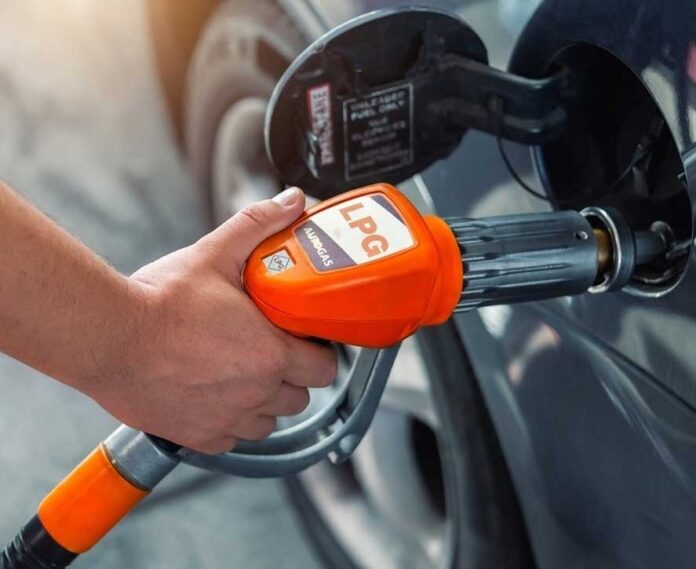
IAC highlighted that Auto LPG offers both environmental and economic advantages. The fuel is estimated to be around 40–45 per cent cheaper than petrol on a per-kilometre running-cost basis, while conversion costs are approximately ₹30,000 per vehicle, significantly lower than the several lakh rupees typically required to shift to an electric vehicle. Studies cited by industry and international bodies have shown that LPG-powered vehicles can deliver around 50 per cent lower carbon monoxide and total hydrocarbon emissions compared to petrol vehicles, while also producing significantly lower nitrogen oxide emissions and operating well below BS-VI regulatory limits. The coalition added that India’s existing LPG distribution backbone and retail network can be leveraged to expand Auto LPG availability rapidly, keeping incremental infrastructure costs low.
As India’s pre-owned vehicle market continues to expand, IAC believes that aligning retrofit regulations, fiscal incentives, and fuel policies around practical clean-fuel solutions such as Auto LPG can ensure that growth in the sector translates into cleaner, more affordable mobility rather than increased pollution. The coalition reiterated that a well-defined retrofit framework would provide an immediate and scalable pathway to reduce emissions from vehicles already on the road while improving urban environmental conditions and delivering public health benefits for millions living in India’s most pollution-affected regions.