India’s electric two-wheeler market has evolved rapidly over the last few years, with multiple players entering the space and consumer expectations rising just as quickly. In such a competitive landscape, consistency in product performance is often harder to achieve than rapid growth. Yet, some brands are beginning to stand out not just for innovation, but for sustained, reliable delivery. Ampere, the electric two-wheeler brand from Greaves Electric Mobility, is one such case.
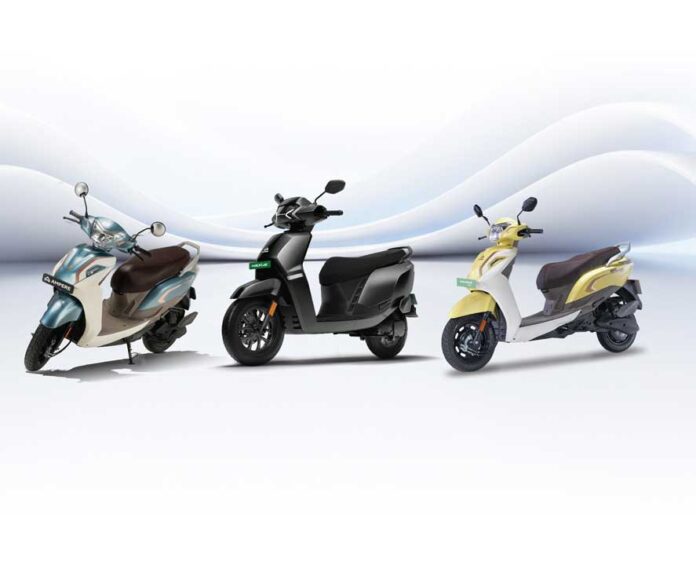
At the core of Ampere’s approach is a clear focus on building scooters for everyday Indian conditions. Rather than chasing extreme specifications or niche performance benchmarks, the brand has anchored its portfolio around practicality. This means vehicles designed for varied road conditions, unpredictable traffic patterns, and diverse usage needs, from daily commuting to commercial applications. Recent products like the Magnus Grand and the upgraded Nexus reflect this thinking, with a clear emphasis on durability, ease of use, and long-term reliability.
This product philosophy is closely tied to the idea of “Built for Bharat.” In practice, this translates into engineering choices that prioritise consistency over time. For instance, Ampere’s transition to LFP battery technology across its portfolio is a strategic decision aimed at improving thermal stability and lifecycle performance. In a country where vehicles are exposed to wide temperature variations and often operate in demanding environments, battery reliability becomes critical. LFP chemistry offers a more stable performance profile, reducing risks associated with overheating while supporting longer usage cycles.
The emphasis on real-world performance is not limited to component choices. Ampere’s products are tested and validated across diverse terrains and conditions, ensuring that performance claims hold up beyond controlled environments. This focus has helped the brand build credibility, particularly among users who depend on their vehicles for daily income or essential mobility.
There is also a strong link between manufacturing and product outcomes. Greaves Electric Mobility leverages its broader engineering legacy and integrated ecosystem spanning design, manufacturing, distribution, and service. This allows tighter control over quality and faster feedback loops between product development and on-ground usage. The company’s continued investments in R&D, supplier alignment, and manufacturing processes have contributed to more consistent product performance over time.
All of these, addressing the real-world challenges and consumer pain points have led to the Ampere portfolio being recognised with the Electric Scooter of the Year title for maintaining this consistency. Ampere’s Primus, Nexus, and the Magnus Grand have each been recognised with the title across three consecutive years. While these recognitions alone do not define performance, they do indicate a sustained ability to meet evolving benchmarks in design, engineering, and user experience.
Another factor contributing to consistency is the brand’s focus on ecosystem readiness. Reliable mobility does not end with the vehicle; it extends to service networks, spare parts availability, and overall ownership experience. Greaves Electric Mobility has been working to strengthen these aspects through expanded touchpoints and partner engagement, ensuring that customers have access to support across different regions.
Importantly, Ampere stays grounded in solving everyday mobility challenges while also introducing aspirational scooters. This includes balancing cost, performance, and durability in a way that aligns with the expectations of the Indian consumers. In a market where affordability remains a key consideration, this balanced approach becomes a differentiator.
As the EV category matures, the conversation is gradually shifting from early adoption to long-term usability. Consumers are no longer evaluating electric scooters only on upfront features or price, but on how they perform over months and years of usage. This shift places greater importance on engineering fundamentals, battery reliability, and service ecosystems.
Ampere’s journey reflects this transition. By focusing on consistent performance, practical engineering, and real-world usability, the brand is positioning itself not just as an EV manufacturer, but as a dependable mobility solution provider. In a sector often defined by rapid change, consistency may well become the most valuable differentiator. For Ampere, it appears to be a deliberate choice rather than an outcome.