India’s passenger vehicle (PV) industry recorded steady domestic wholesale volumes in May 2026, demonstrating resilience despite recent fuel price hikes triggered by geopolitical tensions in West Asia. Industry sales stood at approximately 4.4 lakh units during the month, with most automakers posting healthy year-on-year (YoY) growth. Industry observers estimate only a low single-digit month-on-month fluctuation, reflecting typical seasonal moderation.
Maruti Suzuki Retains Leadership
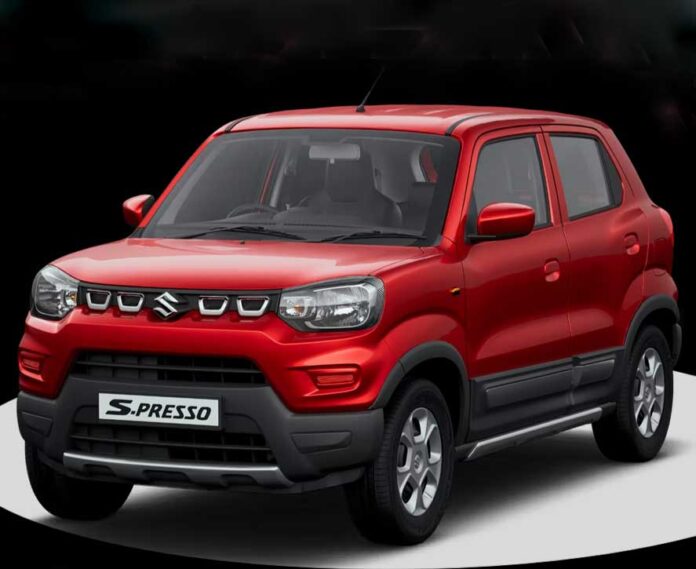
Maruti Suzuki continued to dominate the domestic PV market, reporting record sales of 190,337 units in May 2026, compared to 135,962 units in the corresponding month last year.
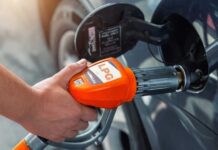
The automaker witnessed a sharp rise in demand for alternative fuel vehicles amid rising fuel prices. CNG vehicle bookings increased by 40% since mid-May, enabling Maruti Suzuki to achieve its highest-ever monthly CNG sales of nearly 78,000 units. Electric vehicle demand also gained momentum, with bookings for the e-Vitara SUV doubling during the month.
“We are seeing very good traction in EVs. At the same time, we need to wait until August and September when capacities are enhanced,” said Partho Banerjee, Senior Executive Officer, Marketing & Sales, Maruti Suzuki India.
Tata Motors Climbs to Second Position
Tata Motors retained the second spot in both wholesale and retail passenger vehicle sales for the second consecutive month, reporting sales of 59,090 units in May 2026. The company improved significantly from fourth place during the same period last year.
The company’s electric vehicle portfolio continued to perform strongly, with EV bookings increasing 3.5 times year-on-year. The Punch.ev and Nexon.ev remained key contributors to growth in the sub-₹15 lakh EV segment.
Mahindra Slips to Third Despite Strong Demand
Mahindra & Mahindra reported domestic sales of 58,021 units in May 2026, placing it third in the market rankings compared to second position a year ago.
Nalinikanth Gollagunta, CEO, Automotive Division, M&M, said, “Demand across our portfolio remains strong. However, supply chain challenges arising from manpower shortages at select suppliers continue to constrain production.”
Hyundai Registers Growth but Falls to Fourth
Hyundai Motor India sold 47,837 units in May 2026, up from 43,861 units in May 2025. Despite recording healthy growth, the company slipped to fourth place from third in the industry rankings.
Tarun Garg, MD & CEO, Hyundai Motor India, stated, “Hyundai Motor India has carried forward its strong momentum into May, achieving total sales of 61,137 units with 4.1% year-on-year growth. During the first two months of FY27, domestic sales rose 13% to 99,739 units compared to 88,235 units during the same period last fiscal.”
Toyota Maintains Fifth Position
Toyota Kirloskar Motor retained its fifth-place ranking, posting a 4% YoY increase in sales to 30,574 units in May 2026.
Sabari Manohar, Executive Vice-President, Sales-Service-Used Car Business, Toyota Kirloskar Motor, highlighted the growing acceptance of hybrid technology, stating that the company surpassed the milestone of 300,000 Strong Hybrid Electric Vehicle (SHEV) sales in India.
“Our sales performance reflects strong customer acceptance of Toyota products and ownership experience. Crossing the 3 lakh SHEV sales milestone underscores increasing consumer confidence in cleaner mobility solutions,” he said.
Kia, Renault Continue Growth Momentum
Kia India reported sales of 27,586 units in May 2026, compared to 22,315 units a year earlier. The Seltos and Sonet remained the brand’s primary growth drivers, while newer products such as the Carens Clavis, Clavis EV and MY26 Syros received encouraging market response.
Atul Sood, Senior Vice-President, Sales & Marketing, Kia India, attributed part of the growth to the company’s Battery-as-a-Service (BaaS) programme, which has improved affordability and accessibility of electric mobility.
Meanwhile, Renault India continued its recovery journey, recording a strong turnaround with sales rising to 4,113 units from 2,502 units in May 2025. The Renault Duster remained a key contributor to the brand’s improved performance.
Industry Outlook Remains Cautiously Optimistic
Despite healthy sales performance, automakers and industry experts remain cautious about the coming months due to concerns surrounding inflation, rising fuel costs and geopolitical uncertainties.
“The demand environment remains stable, supported by financing availability and steady mobility needs. However, recent fuel price increases could impact discretionary demand, particularly in price-sensitive segments,” said Saket Mehra, Partner and Automotive Industry Leader at Grant Thornton Bharat.
He further noted that geopolitical tensions continue to create volatility in crude oil prices, logistics and freight costs, leading to intermittent supply-chain disruptions and cost pressures across the automotive value chain.
As the West Asia crisis continues to influence the industry, automakers are increasingly focusing on alternative fuel technologies. Upcoming launches, including Maruti Suzuki’s flex-fuel vehicle and Hero MotoCorp’s flex-fuel model, reflect the sector’s growing emphasis on fuel diversification and long-term energy security.