VinFast has announced a major restructuring of its Vietnam business operations as part of a strategic shift toward an asset-light operating model aimed at improving capital efficiency and accelerating profitability by 2027.
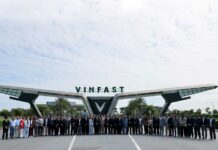
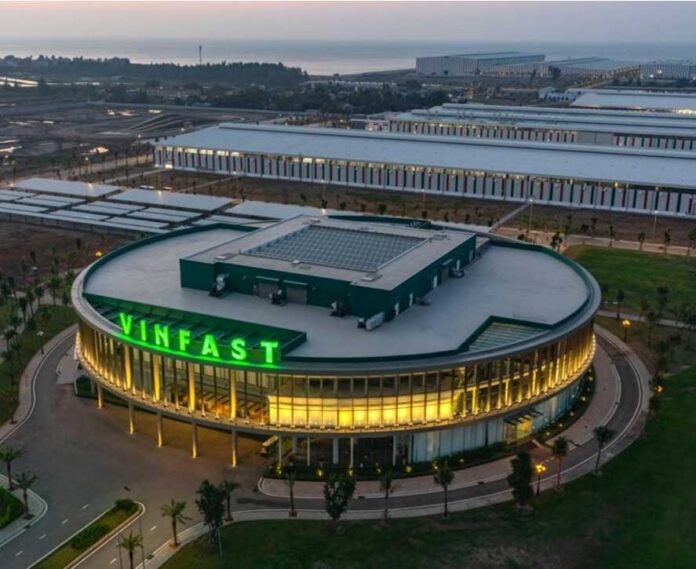
Under the restructuring plan, the company’s manufacturing assets, including its production facilities in Hai Phong and Ha Tinh, will be transferred into a newly established legal entity named VFTP (VinFast Trading and Production JSC).
The new entity will be handed over to an investor group led by Future Investment and Development Research JSC, with participation from VinFast founder Pham Nhat Vuong. The transaction is valued at approximately VND13.3 trillion (around $530 million).
According to the company, VFTP may eventually expand beyond vehicle production to include contract manufacturing and assembly partnerships for other companies. Along with the manufacturing assets, the entity will also assume approximately VND182 trillion (around $7.3 billion) in liabilities related to production operations.
Meanwhile, VinFast Vietnam Joint Stock Company (VFVN) will continue managing the company’s higher-value business segments, including research and development, product engineering, technology, market expansion, sales, marketing, after-sales service, and customer experience operations.
Thai Thi Thanh Hai stated that VinFast will continue to retain its global manufacturing operations, while domestic production in Vietnam will be handled under a contract manufacturing arrangement through Future. She added that all remaining operations outside the scope of the restructuring will continue functioning normally under VinFast.
By separating manufacturing into a dedicated entity, VinFast aims to sharpen its focus on technology development, product quality, brand positioning, and customer engagement while reducing the financial burden associated with large-scale manufacturing assets.
The company believes the restructuring will improve operational agility, optimise capital deployment, and strengthen long-term profitability as it continues expanding its global EV business.